
Argentina
Argentina extends from subtropical northern lowlands to Patagonia, with the Andes along its western edge. The Pampas occupy much of the center, and the Atlantic coast runs south towards Tierra del Fuego.
Argentina’s flag has three horizontal bands of light blue, white and light blue. The golden Sun of May is centred on the white band.
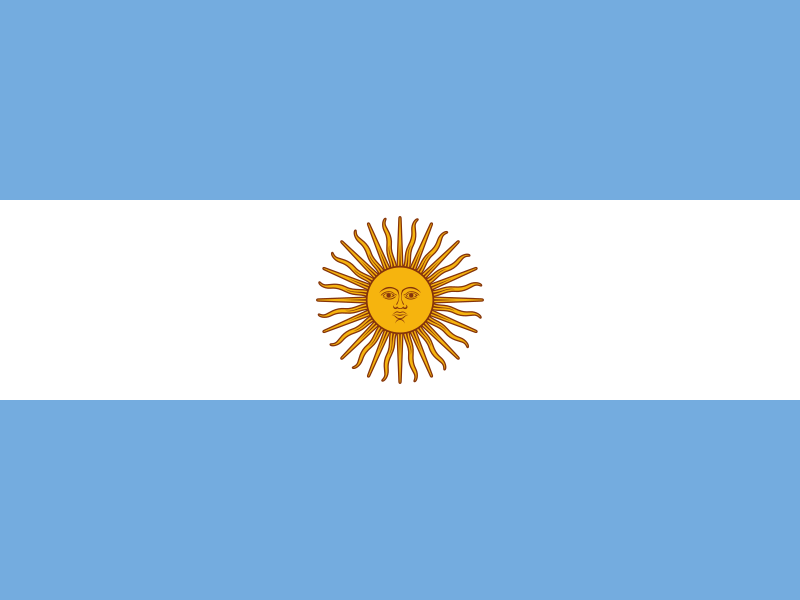
Argentina
Regions and cities in our catalog
Regions
Browse this country’s regional flags and available downloads.
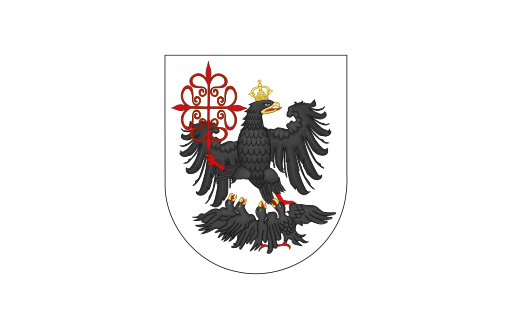
Buenos Aires
Buenos Aires is the capital of Argentina.
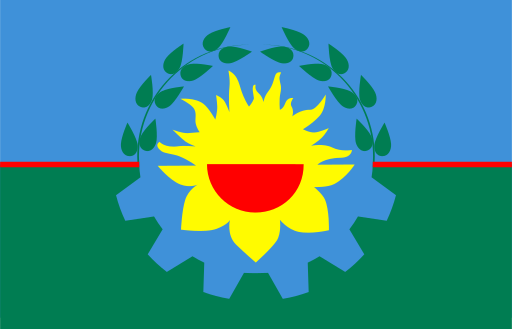
Buenos Aires Province
Pampas grasslands stretch from the Atlantic coast toward Argentina’s central interior.
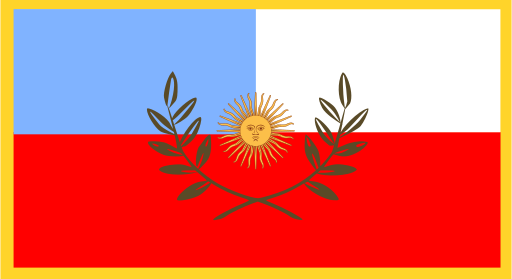
Catamarca Province
Dry valleys and high Andean ranges dominate Argentina’s northwestern interior.
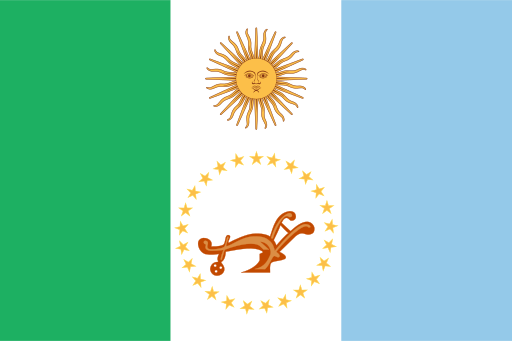
Chaco Province
Subtropical plains, wetlands, and dry forests spread across Argentina’s Gran Chaco.
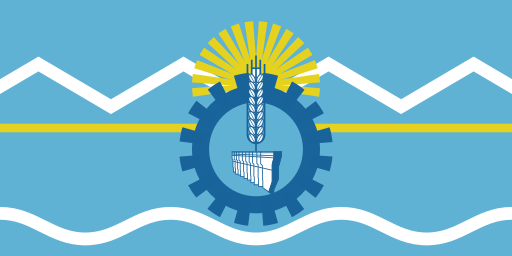
Chubut Province
Patagonian plateaus descend through river valleys to a long Atlantic coast.
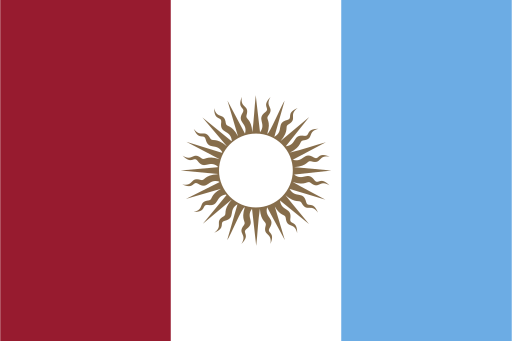
Córdoba Province
Rolling central plains rise westward into the rugged Sierras de Córdoba.
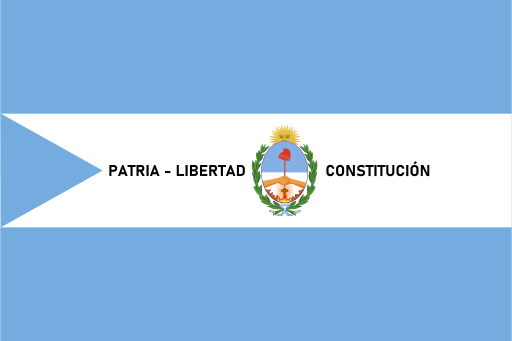
Corrientes Province
Wetlands, lagoons, and subtropical plains extend between the Paraná and Uruguay rivers.
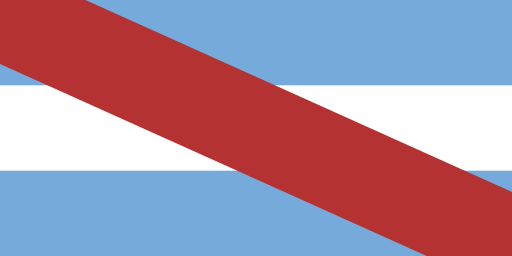
Entre Ríos Province
River plains, wetlands, and farmland lie between the Paraná and Uruguay waterways.
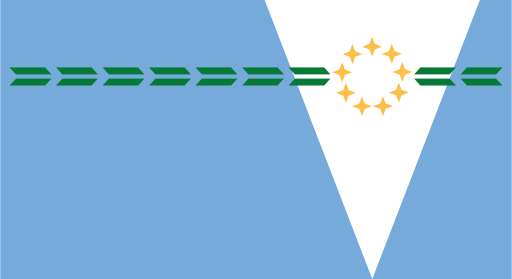
Formosa Province
Flat subtropical plains and winding rivers cover Argentina’s far northeast.
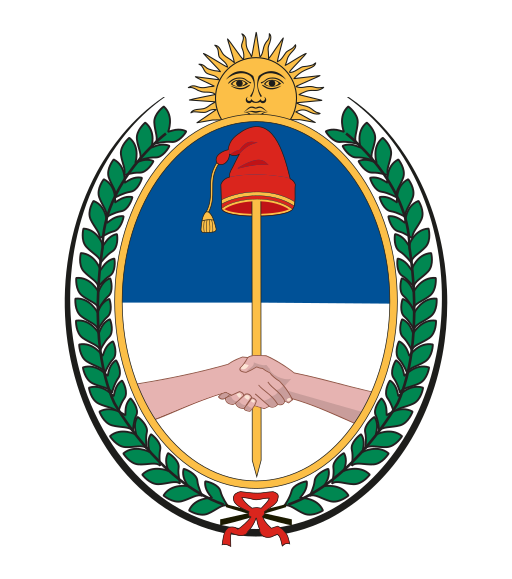
Jujuy Province
High Andean plateaus descend through colourful gorges to subtropical valleys.
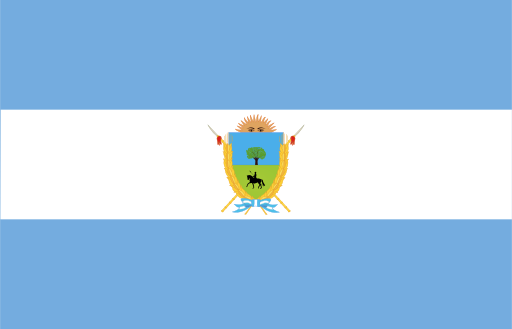
La Pampa
Open Pampas grasslands and dry plains stretch across Argentina’s central interior.
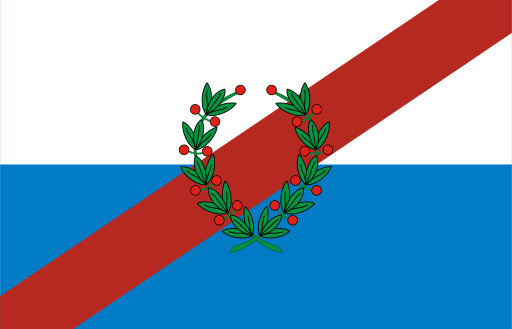
La Rioja Province
Dry mountain ranges and irrigated valleys fill Argentina’s northwestern interior.
Cities
Browse this country’s city flags and available downloads.
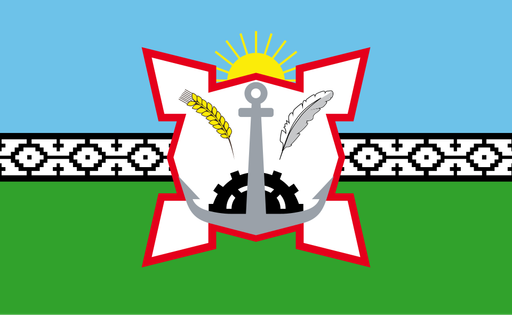
Bahía Blanca
Universities and military facilities add to its regional importance.
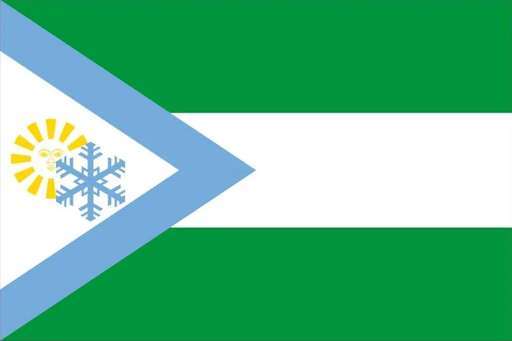
Bariloche
It is one of Argentina's principal mountain tourism centers, known for skiing, hiking, lakes, chocolate production, and alpine-style architecture.
Buenos Aires
Buenos Aires is the capital of Argentina.
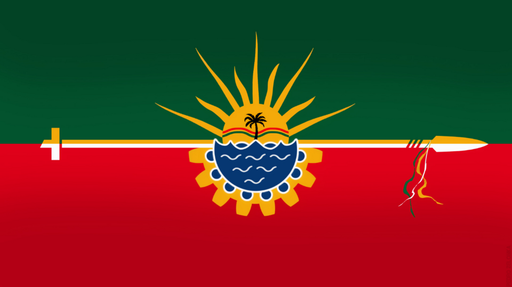
Concordia
Concordia lies in Entre Ríos Province on the Uruguay River opposite the Uruguayan city of Salto.
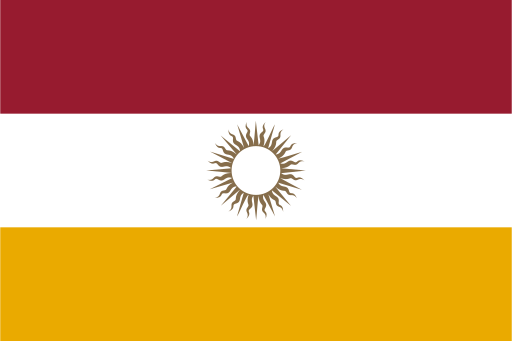
Córdoba
It is the country's second-largest major urban center and an important hub for industry, universities, technology and services.
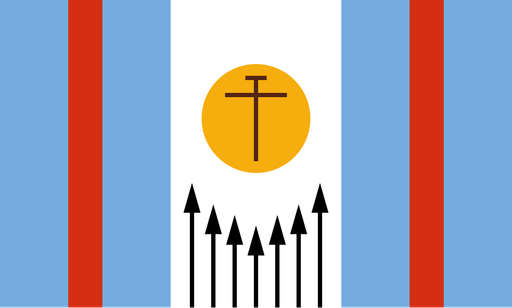
Corrientes
Corrientes lies on the eastern bank of the Paraná River in northeastern Argentina and is the capital of Corrientes Province.

Neuquén
It is the largest city of a metropolitan area extending into neighboring Río Negro Province and serves as the main commercial and administrative center of the region.
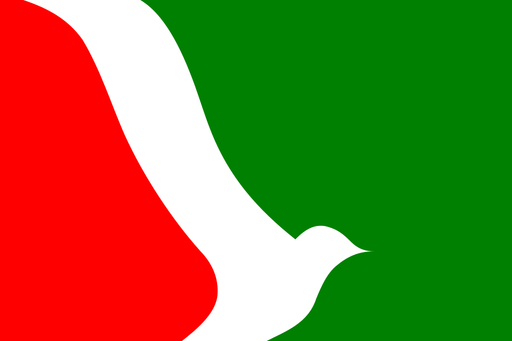
Oberá
The city is especially associated with immigrant communities from Europe, Asia, and neighboring countries, whose traditions are celebrated at the annual National Immigrant Festival.
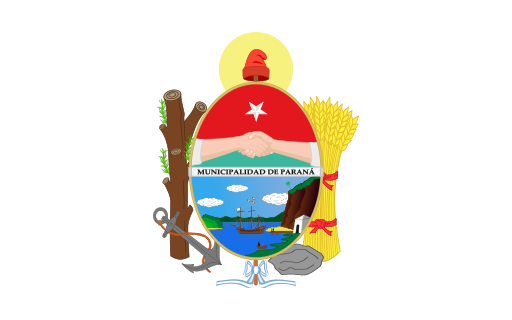
Paraná
The city served as capital of the Argentine Confederation from 1854 to 1861, giving it an important role in the country's nineteenth-century political development.
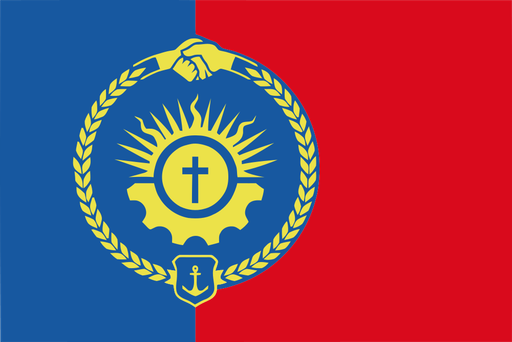
Posadas
The modern city traces part of its historical background to early Jesuit and Guaraní settlement in the area, although the present urban center developed later as a strategic river port and provincial capital.
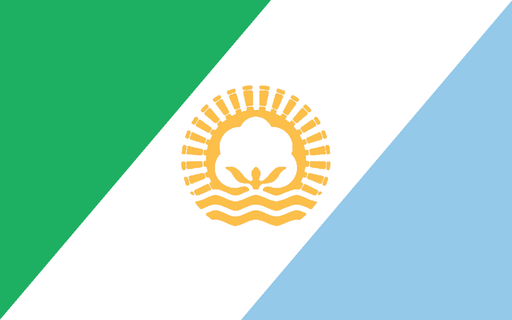
Presidencia Roque Sáenz Peña
The city is also known for thermal waters discovered during drilling, which support local spa facilities.
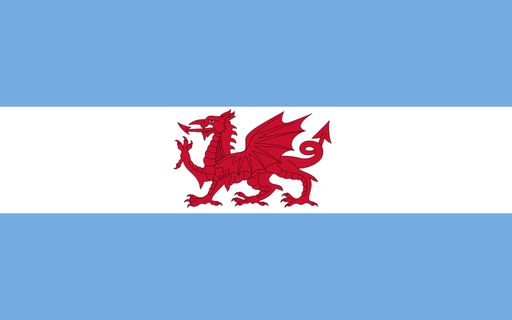
Puerto Madryn
Southern right whales regularly enter the gulf, making whale watching one of the area's best-known attractions.