
Bolivia
Bolivia spans some of South America’s sharpest changes in elevation, from the high Altiplano and snow-covered Andes in the west to forested valleys and broad Amazonian and Chaco lowlands farther east. Lake Titicaca occupies part of the high plateau, while most major settlement is divided between upland basins and rapidly growing eastern cities.
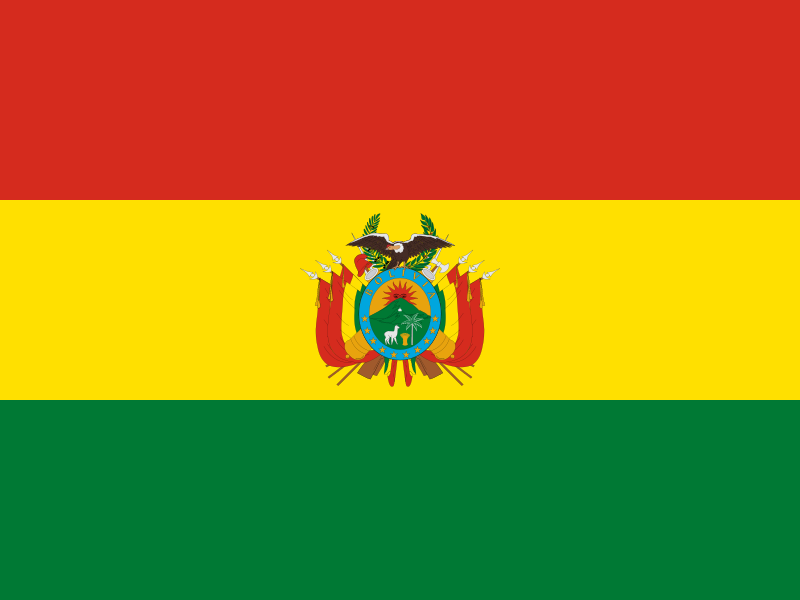
Bolivia’s tricolour has horizontal bands of red, yellow and green. The state version places the coat of arms on the yellow band.
Bolivia
Regions and cities in our catalog
Regions
Browse this country’s regional flags and available downloads.

Beni Department
Vast tropical savannas, wetlands, and rivers cover Bolivia’s northeastern lowlands.
Chuquisaca Department
Dry Andean valleys and rugged mountain ranges surround Bolivia’s historic southeast.

Cochabamba Department
A broad Andean valley lies between high ranges in the heart of Bolivia.
La Paz Department
High Altiplano basins descend eastward through Andean valleys toward the Amazon.

Oruro Department
High Altiplano plains, salt basins, and volcanic ranges dominate western Bolivia.

Pando Department
Amazon rainforest and winding rivers cover Bolivia’s remote northern lowlands.

Potosí Department
High Andean plateaus, salt flats, and mineral mountains fill southwestern Bolivia.
Santa Cruz Department
Amazonian lowlands rise westward toward forested Andean foothills in eastern Bolivia.

Tarija Department
Warm Andean valleys and dry mountain ranges fill Bolivia’s southern interior.
Cities
Browse this country’s city flags and available downloads.
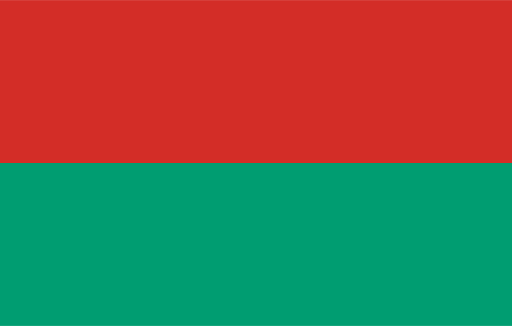
La Paz
Government, finance, commerce, universities, tourism, manufacturing, and services dominate the economy.
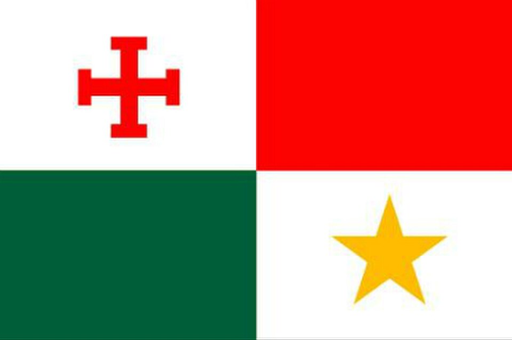
Montero
It is an important agricultural and industrial center serving one of Bolivia's main sugarcane, soybean, rice, and livestock-producing regions.

Oruro
Oruro is internationally known for its annual Carnival, whose elaborate dances and costumes combine Indigenous and Catholic traditions and are recognized by UNESCO.
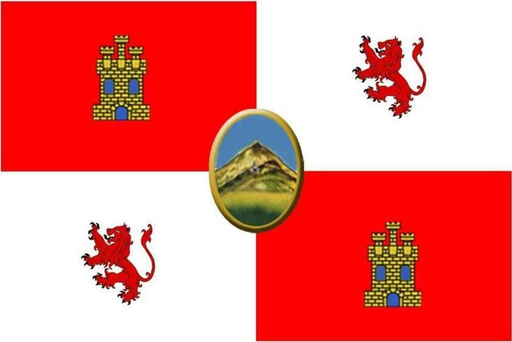
Potosí
Founded in the sixteenth century, it retains churches, colonial houses, civic buildings, and mining infrastructure that form part of a UNESCO World Heritage Site.

Sacaba
The main highway east from Cochabamba passes through Sacaba toward the tropical lowlands, making the city an important regional gateway.
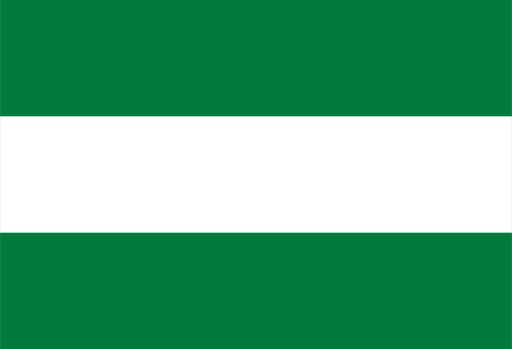
Santa Cruz de la Sierra
Santa Cruz de la Sierra lies on the tropical lowlands of eastern Bolivia and is the capital of Santa Cruz Department.
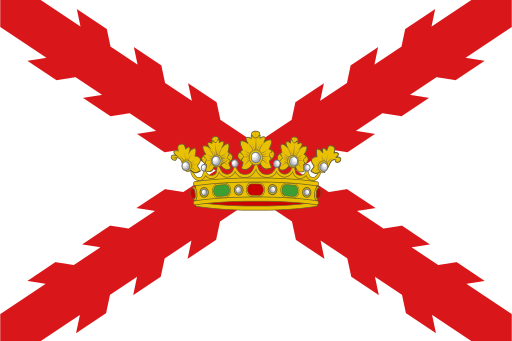
Sucre
Sucre lies in the southern Bolivian highlands and is the constitutional capital of Bolivia as well as the capital of Chuquisaca Department.

Tarija
The city retains a low-rise historic center of plazas, churches, and colonial-era street patterns.

Trinidad
Trinidad is the capital of Beni Department in Bolivia's tropical Amazonian lowlands.

Yacuiba
It occupies the warm lowlands of the Gran Chaco and forms an important cross-border urban and commercial corridor with nearby Argentine communities.