
Czech Republic
The Czech Republic lies in Central Europe, with Bohemia forming a broad basin enclosed by mountain and upland rims and Moravia opening through lower corridors toward the east. Forested highlands, river valleys and productive lowlands create distinct regional landscapes, linked especially by the Elbe, Vltava and Morava river systems.
The Czech Republic’s flag has a white upper half and a red lower half. A blue triangle extends from the hoist between them.
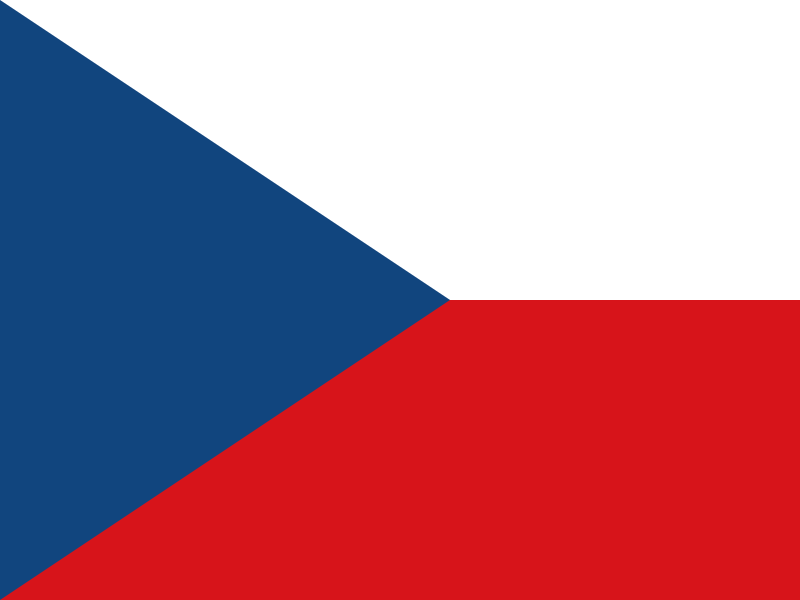
Czech Republic
Regions and cities in our catalog
Regions
Browse this country’s regional flags and available downloads.
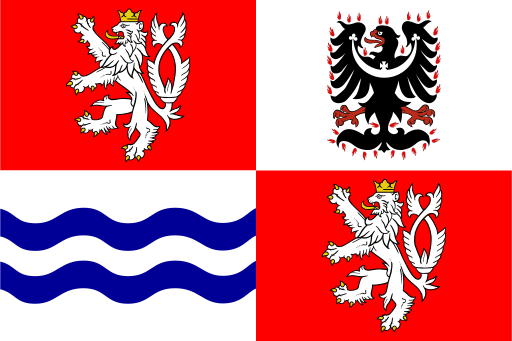
Central Bohemian Region
River valleys, farmland, forests, and uplands form a broad ring around Prague.
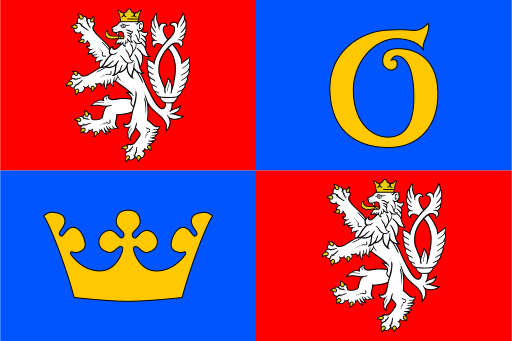
Hradec Králové Region
Elbe lowlands rise northward toward the forested peaks of the Giant Mountains.
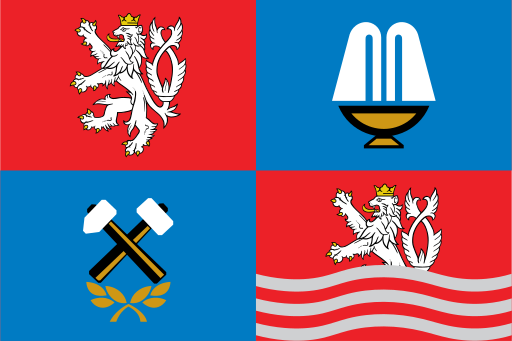
Karlovy Vary Region
Forested western mountains and mineral-spring valleys line Czechia’s borderlands.
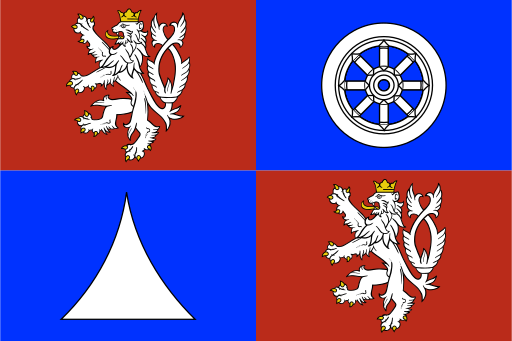
Liberec Region
Sandstone cliffs, forested mountains, and river valleys fill northern Czechia.
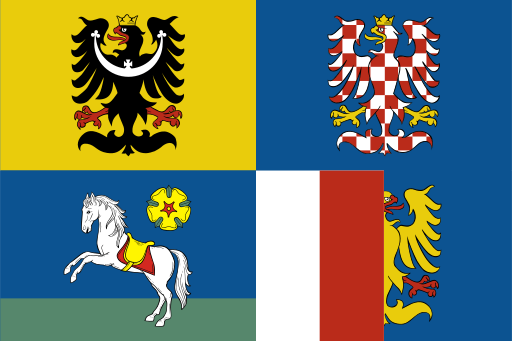
Moravian-Silesian Region
Industrial basins and river valleys rise toward the Beskid and Jeseník mountains.
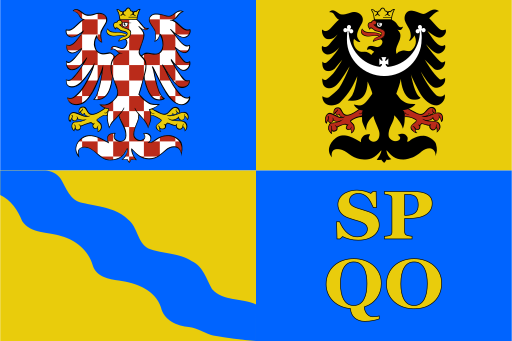
Olomouc Region
Fertile Moravian plains rise northward into the wooded Jeseník Mountains.
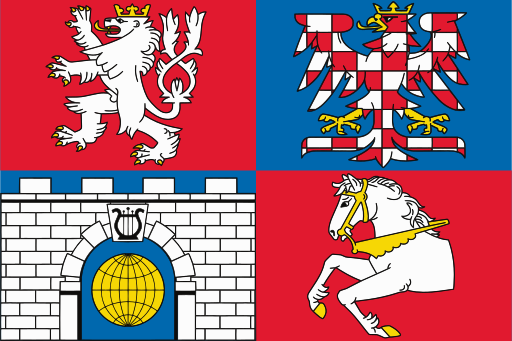
Pardubice Region
Elbe river lowlands meet rolling uplands and mountain foothills in eastern Czechia.
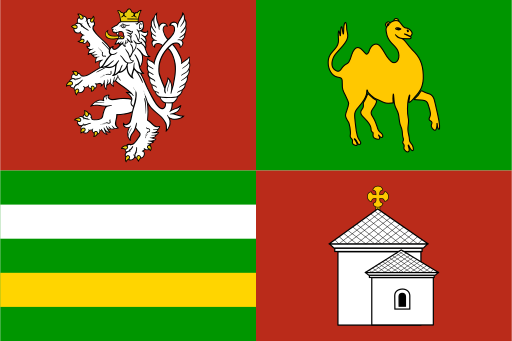
Plzeň Region
Forested western uplands and river valleys extend toward the Šumava Mountains.
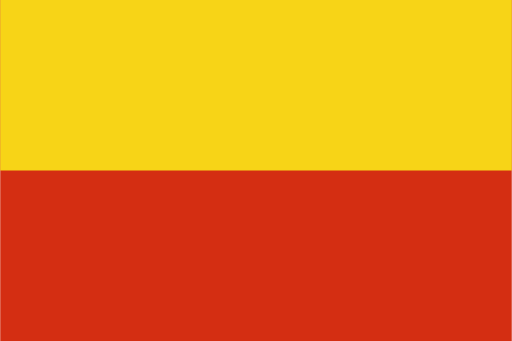
Prague
Czechia’s capital, with a historic center, major cultural institutions and a substantial tourism sector.
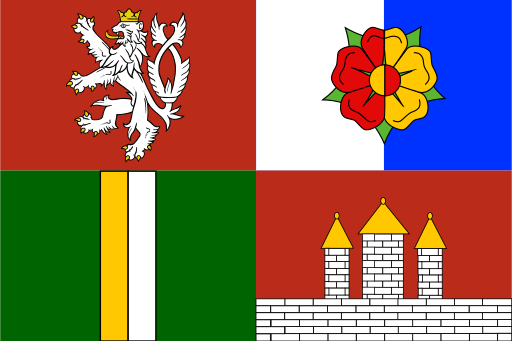
South Bohemian Region
Fishponds, forests, and rolling uplands surround river valleys in southern Czechia.
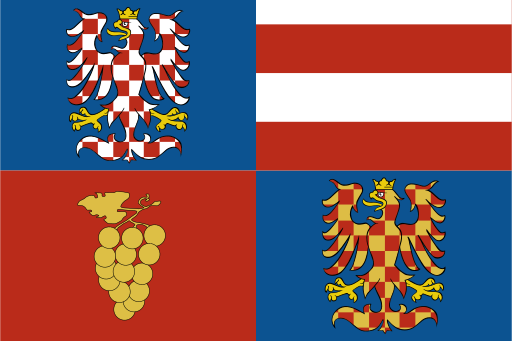
South Moravian Region
Vineyard hills and fertile lowlands spread across the warm southeast of Czechia.
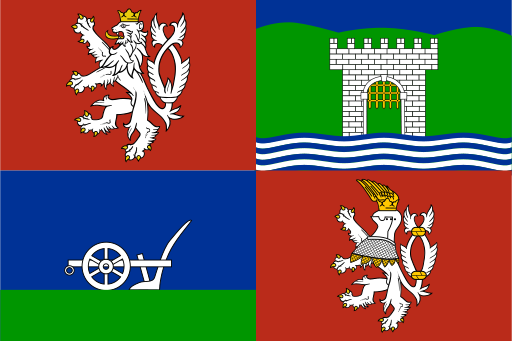
Ústí nad Labem Region
The Elbe valley cuts between volcanic hills and forested border mountains.
Cities
Browse this country’s city flags and available downloads.
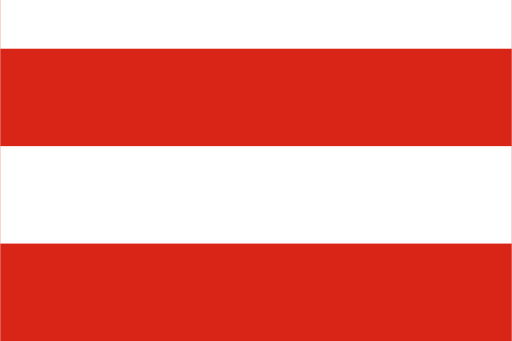
Brno
It is the country's second-largest city and a major center for universities, technology, engineering, research, trade fairs, and administration.
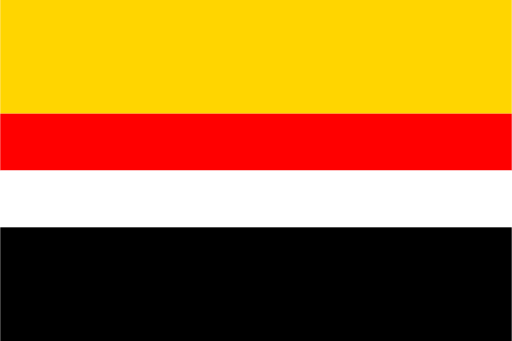
Brno střed
Major landmarks include Špilberk Castle, the Cathedral of Saints Peter and Paul, the main railway station area, and much of the nineteenth-century city center.
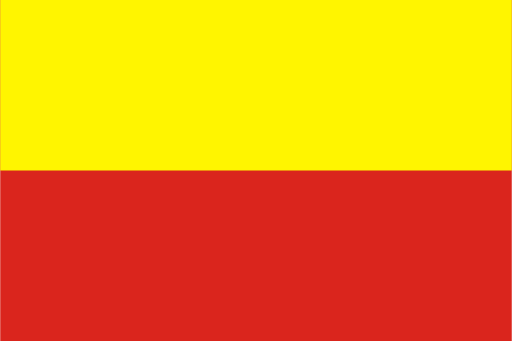
České Budějovice
It is the regional capital and an important center for administration, universities, brewing, manufacturing, commerce, and services.
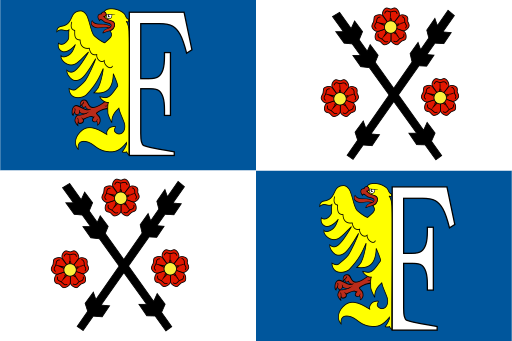
Frýdek-Místek
The city developed from two historic towns on opposite sides of the river and is now an industrial, commercial, and service center.
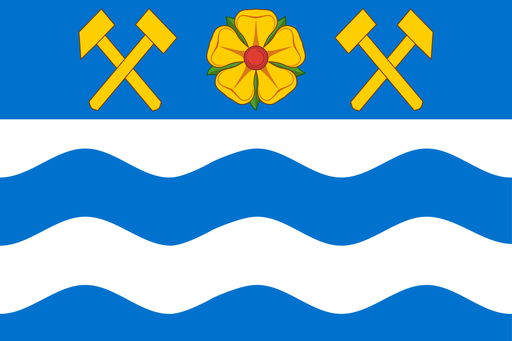
Havířov
It was established as a planned city in the mid-twentieth century to house workers from the surrounding industrial and mining region.
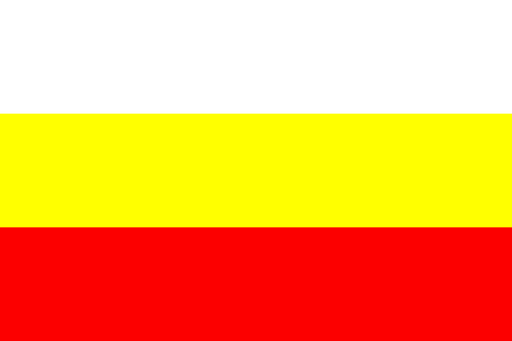
Hradec Králové
It is a regional center for administration, universities, health care, manufacturing, culture, and services.
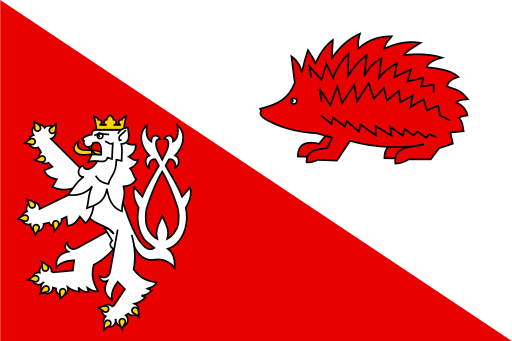
Jihlava
It is the regional capital and an important center for administration, manufacturing, education, commerce, and services.
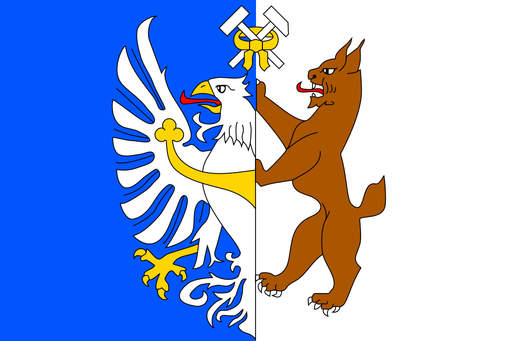
Kladno
It became one of Bohemia's major coal-mining and steelmaking centers during the nineteenth and twentieth centuries.
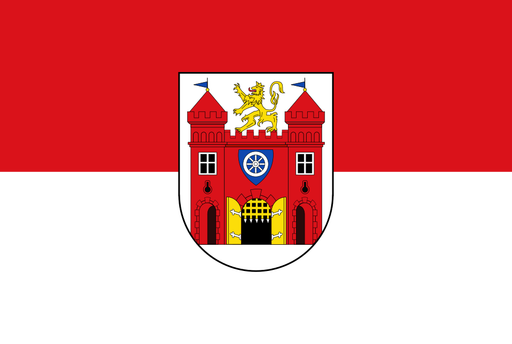
Liberec
The city developed strongly during the textile-industrial era and retains an ornate historic center.

Most
Much of the old city was demolished and replaced during the twentieth century as mining expanded, with the Church of the Assumption famously moved to a new location.
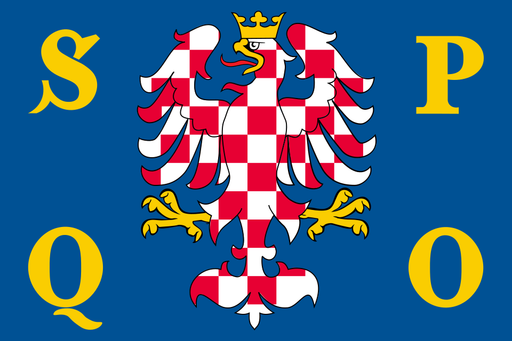
Olomouc
It is a major university, administrative, military, cultural, and service center.
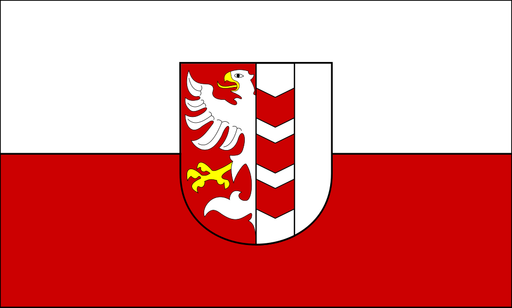
Opava
Historically an important Silesian city, Opava retains notable civic buildings, churches, parks, and museums despite extensive wartime damage.