
Estonia
Estonia faces the Baltic Sea and Gulf of Finland, with a mainland of forests, bogs and lakes. Saaremaa and Hiiumaa lie off the western coast; inland, the rolling south contrasts with Lake Peipus on the eastern border.
The national flag has horizontal blue, black and white bands. Tallinn has a separate city flag of six alternating blue and white stripes.

Estonia
Regions and cities in our catalog
Regions
Browse this country’s regional flags and available downloads.
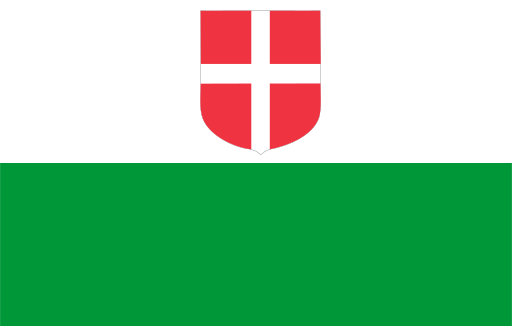
Harju County
Baltic limestone coasts and flat northern plains surround Estonia’s capital.
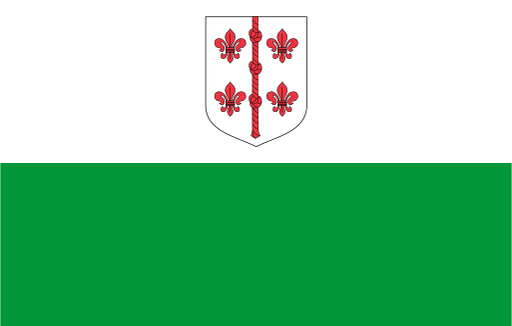
Hiiu County
A low forested Baltic island is fringed by beaches, wetlands, and shallow bays.
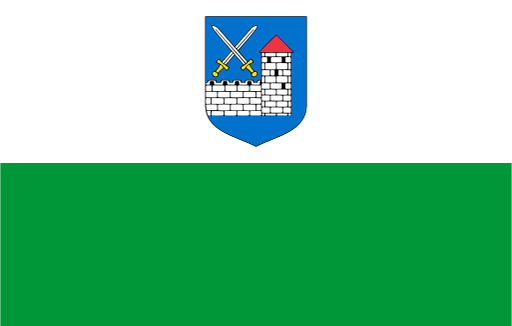
Ida-Viru County
Limestone cliffs and industrial lowlands meet forests along Estonia’s northeast coast.
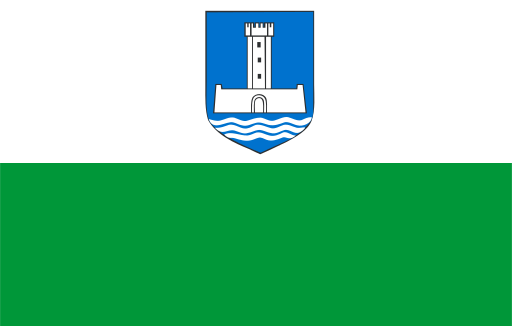
Järva County
Flat farmland, forests, and wetlands occupy Estonia’s quiet central interior.
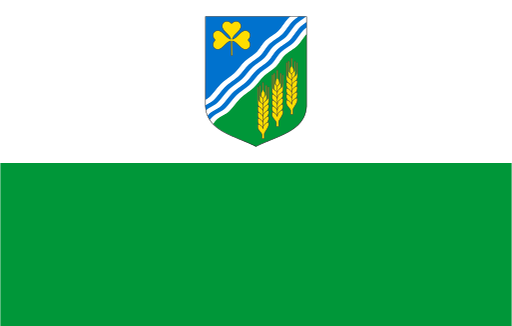
Jõgeva County
Forests, drumlin hills, lakes, and farmland spread across eastern central Estonia.
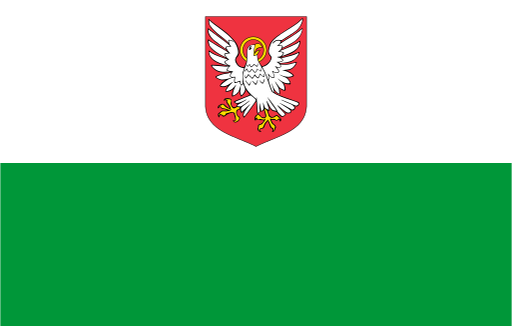
Lääne County
Shallow Baltic bays, reed wetlands, and flat coastal plains cover western Estonia.
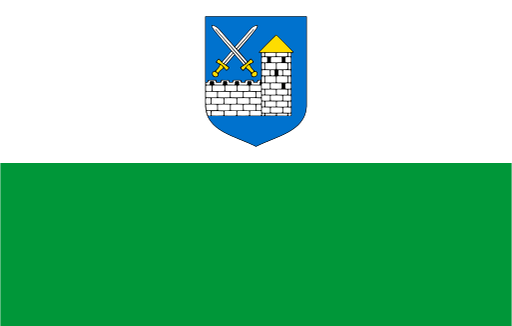
Lääne-Viru County
Northern plains and forested uplands meet limestone cliffs along the Gulf of Finland.
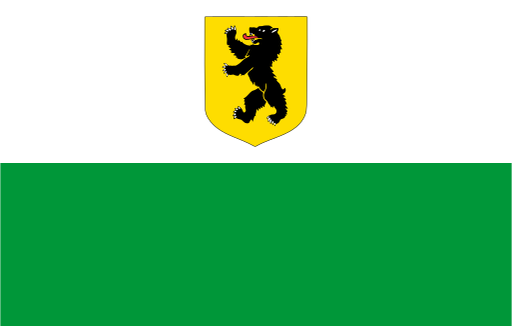
Pärnu County
Sandy Gulf of Riga beaches and wetlands extend inland through forests and farmland.
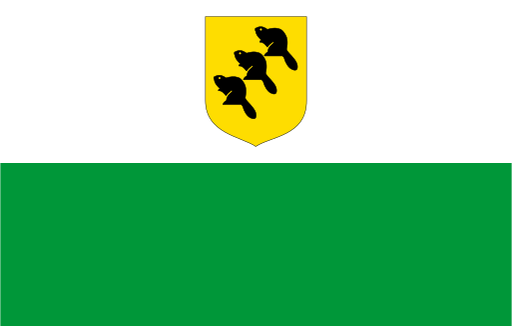
Põlva County
Forested hills, lakes, and winding valleys shape Estonia’s southeastern interior.
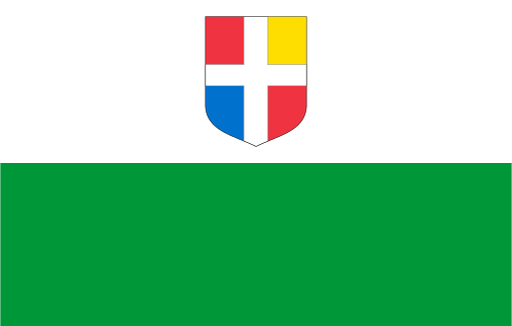
Rapla County
Rolling farmland, bogs, and forests spread across Estonia’s western central plain.
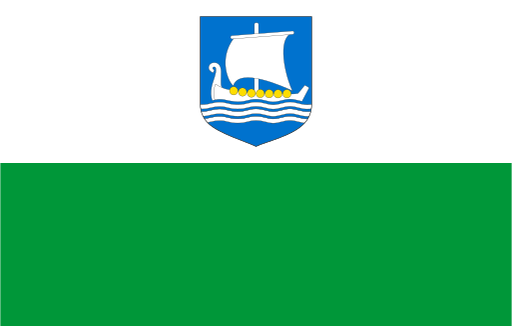
Saare County
A large Baltic island combines limestone shores, forests, wetlands, and farmland.
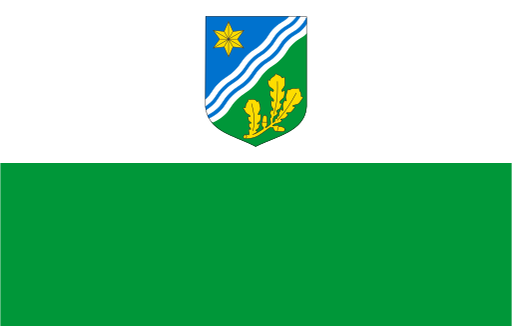
Tartu County
River valleys, forests, and farmland surround Estonia’s main university city.
Cities
Browse this country’s city flags and available downloads.

Narva
Much of the city was rebuilt after the Second World War, and today Soviet-era housing, restored historic structures, river promenades, and industrial districts define its appearance.

Tallinn
It is the national capital and the country's principal center for government, finance, technology, universities, logistics, and culture.
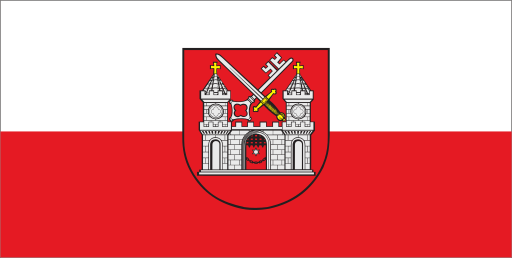
Tartu
The old center, university buildings, riverfront, parks, wooden neighborhoods, museums, and expanding technology districts give Tartu a compact academic character distinct from the larger capital.