
Germany
Germany extends from the North and Baltic seas to the northern edge of the Alps. The North German Plain gives way southward to wooded uplands, river valleys and mountains, crossed by the Rhine, Elbe and Danube.
The federal flag has horizontal black, red and gold bands. The Länder have separate flags and coats of arms, as do many cities and districts.
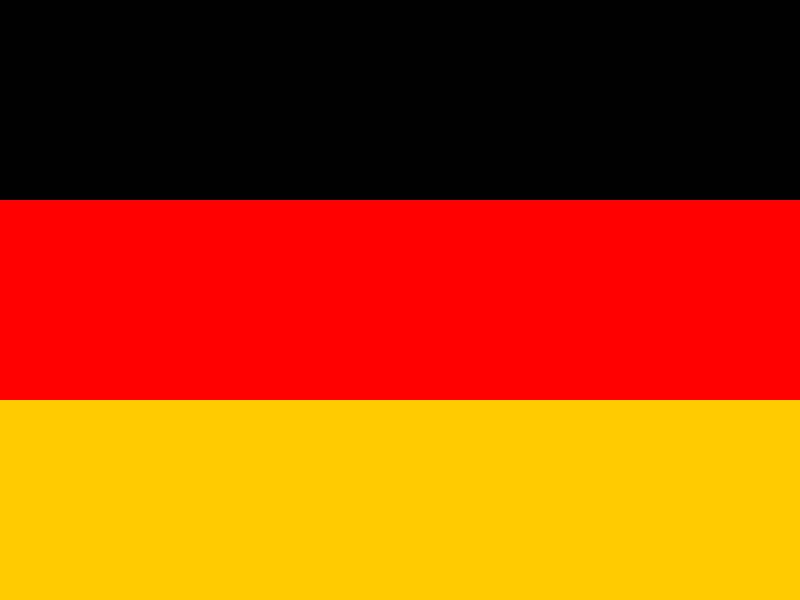
Germany
Regions and cities in our catalog
Regions
Browse this country’s regional flags and available downloads.
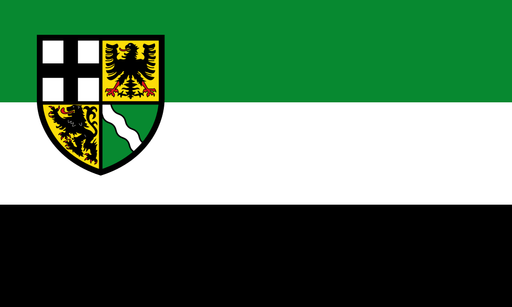
Ahrweiler
The Ahr River cuts a narrow vineyard valley through the volcanic Eifel uplands.
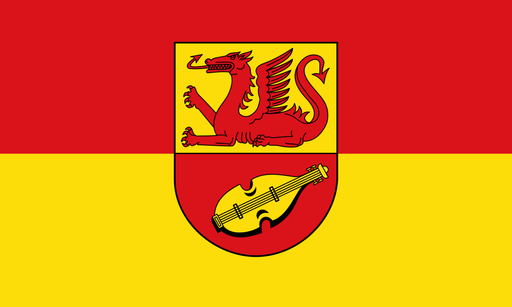
Alzey-Worms
Rolling loess hills and vineyards cover the heart of the Rheinhessen countryside.
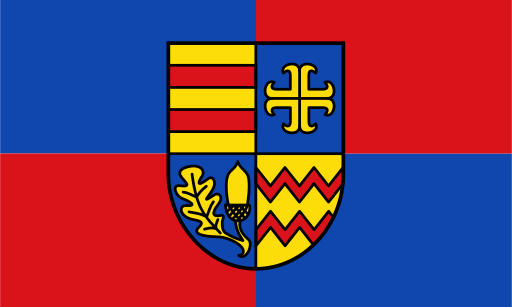
Ammerland
Low peatland, wooded estates, and nursery fields surround a large inland lake.
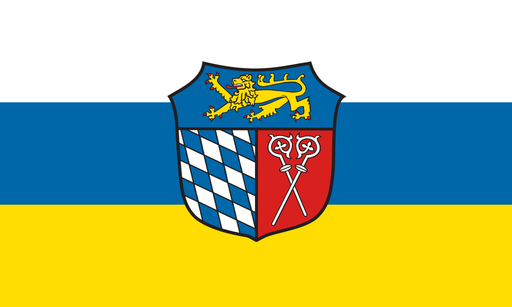
Bad Tölz-Wolfratshausen
The Isar leaves the Bavarian Alps through lakes, forests, and glacial valleys.
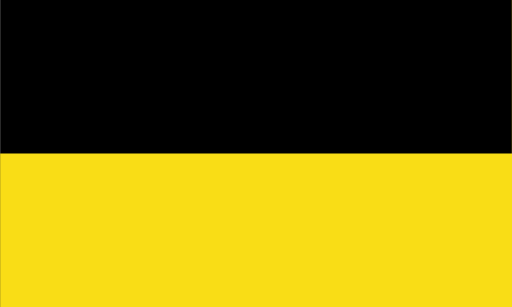
Baden-Württemberg
The Rhine valley and Black Forest meet the uplands of southwestern Germany.
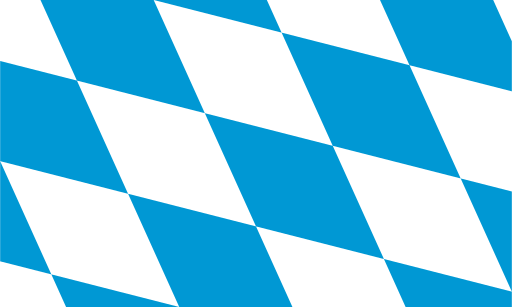
Bavaria
The Alps rise south of broad Danube valleys and the rolling Bavarian uplands.
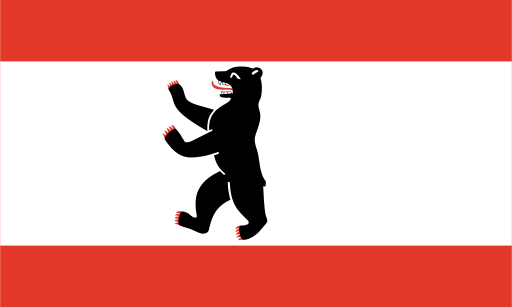
Berlin
Germany’s capital and a federal state in its own right, with major cultural, technology and education sectors.
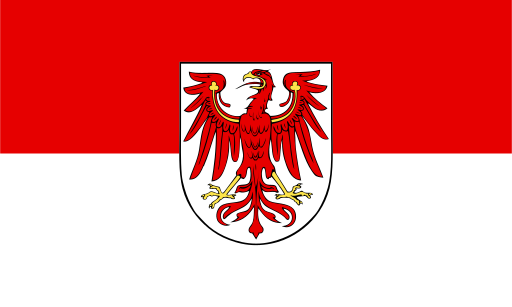
Brandenburg
Glacial lakes, pine forests, and sandy plains spread around the capital region.
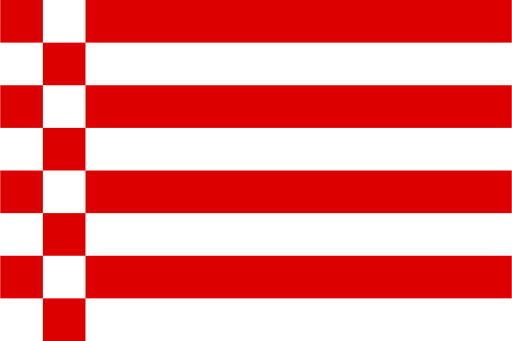
Bremen
The lower Weser reaches the North Sea through a flat maritime landscape.
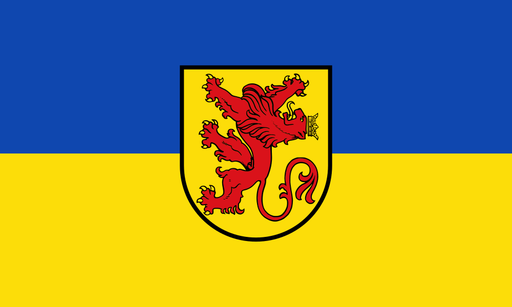
Diepholz
Flat geest and wetland country surrounds a small town near the Dümmer lowlands.
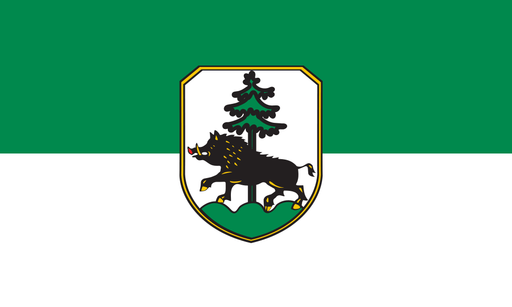
Ebersberg
Glacial hills, lakes, and a large forest rise east of the Munich plain.
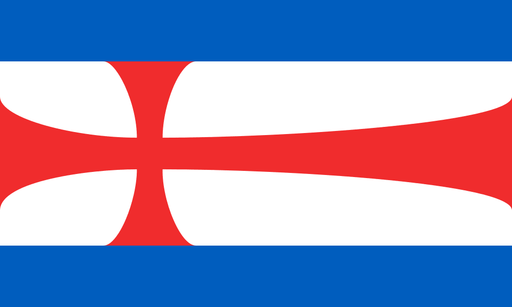
Eisenach
The Hörsel valley cuts through wooded hills beside the Thuringian Forest.
Cities
Browse this country’s city flags and available downloads.
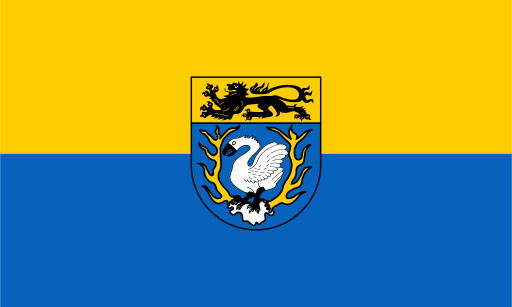
Aachen
Aachen Cathedral, associated with Charlemagne and medieval imperial coronations, is a major landmark.

Aalen
Aalen is a city in eastern Baden-Württemberg.
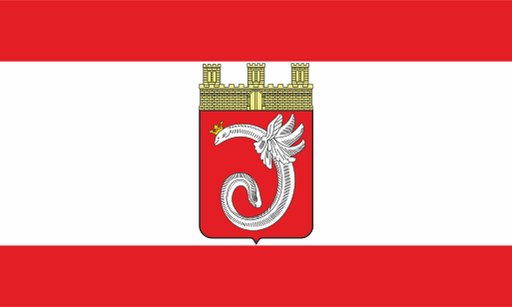
Ahlen
Ahlen is a city in North Rhine-Westphalia in western Germany.
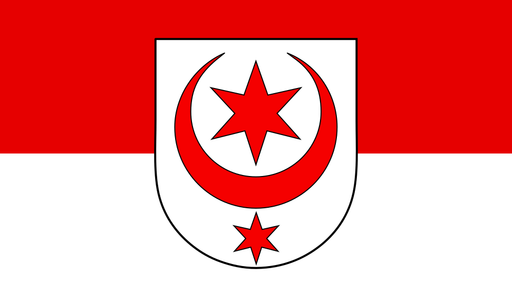
Altstadt
Altstadt is a central historic district in Germany, characterized by dense traditional streets, commercial buildings, cultural venues, and a close relationship with the surrounding city center.

Arnsberg
The municipality includes several distinct urban and rural districts spread along the river.
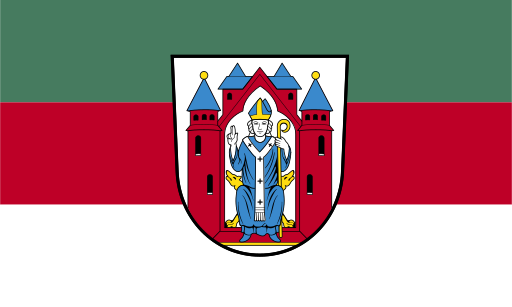
Aschaffenburg
Johannisburg Palace, parks, museums, the Main riverfront, and nearby woodland contribute to its cultural and recreational appeal.
Augsburg
The Fuggerei, Renaissance buildings, canals, and historic water-management system, recognized by UNESCO, are among its best-known landmarks and attract substantial tourism.

Bad Homburg vor der Höhe
Bad Homburg vor der Höhe is a city in Hesse north of Frankfurt.
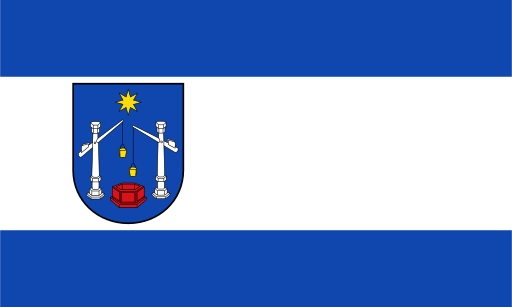
Bad Salzuflen
Bad Salzuflen is a city in North Rhine-Westphalia in the Lippe area, near the western edge of the Teutoburg Forest.
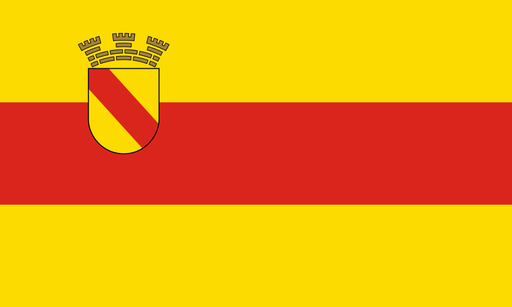
Baden-Baden
Its historic baths, casino, parks, museums, festival hall, and surrounding forest trails contributed to its inclusion among the UNESCO-listed Great Spa Towns of Europe.
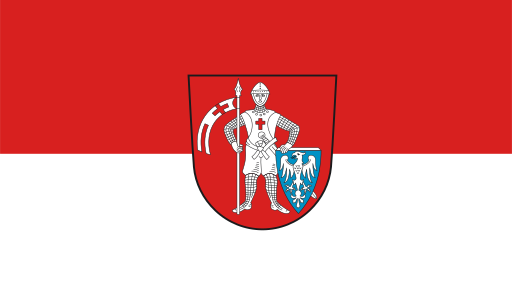
Bamberg
The cathedral, old town hall, canals, breweries, university, and preserved medieval and baroque streets attract many visitors.
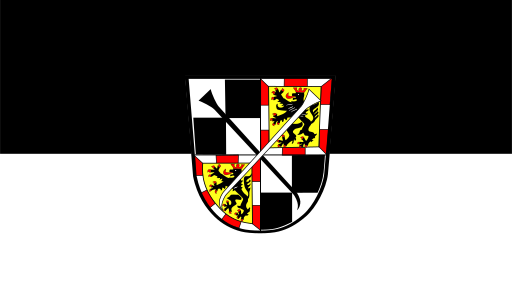
Bayreuth
It is internationally known for the annual Wagner festival and its purpose-built festival theatre, while the Margravial Opera House is recognized as a UNESCO World Heritage Site.