
Italy
Italy extends into the Mediterranean as a long peninsula, bordered by the Alps in the north and crossed by the Apennines. The Po plain opens towards the Adriatic, while Sicily and Sardinia lie offshore.
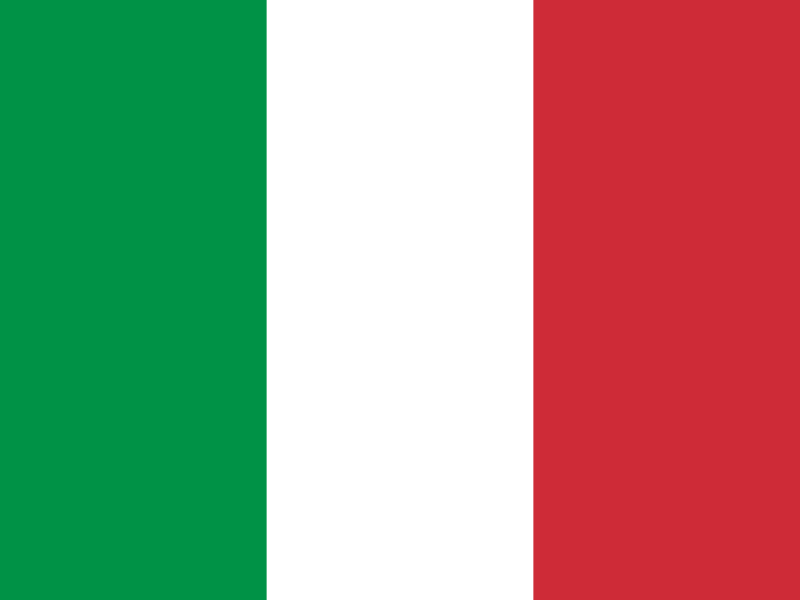
The flag of the republic is a vertical tricolour of equal green, white and red bands, with green beside the hoist. The three colors were adopted together on 7 January 1797 in Reggio Emilia for the Cispadane Republic, and the presidency considers it probable that the white and red came from Milan's old civic arms and the green from the civic guard's uniforms. The constitution keeps those vertical bands, while the Veneto region flies a flag of its own, with the lion of Saint Mark set before sea, plain and mountains.
Italy
Regions and cities in our catalog
Regions
Browse this country’s regional flags and available downloads.
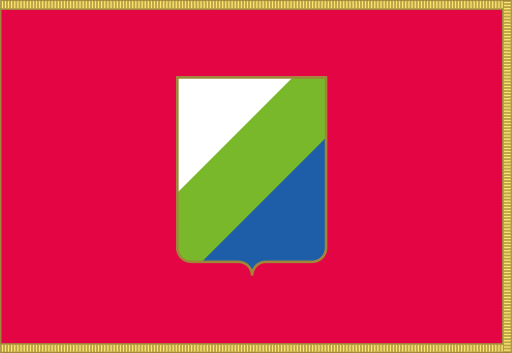
Abruzzo
Apennine mountains descend eastward through hills to the Adriatic coast.
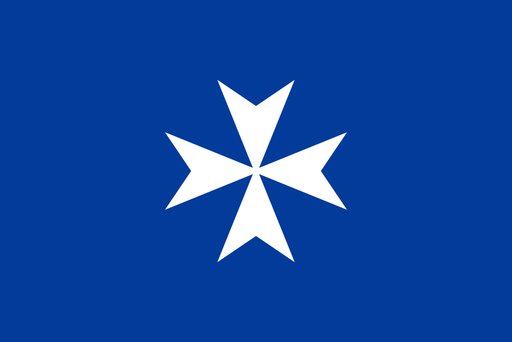
Amalfi
Steep limestone mountains plunge into the Tyrrhenian Sea along a narrow coast.
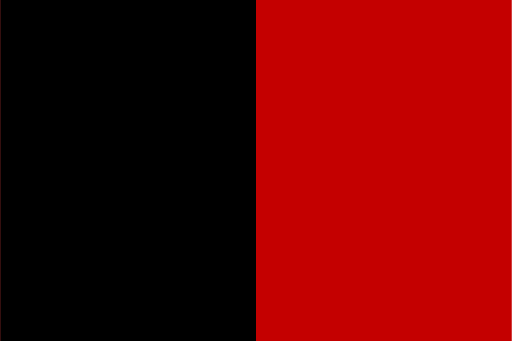
Aosta Valley
High Alpine valleys lie beneath Mont Blanc and other glaciated peaks.
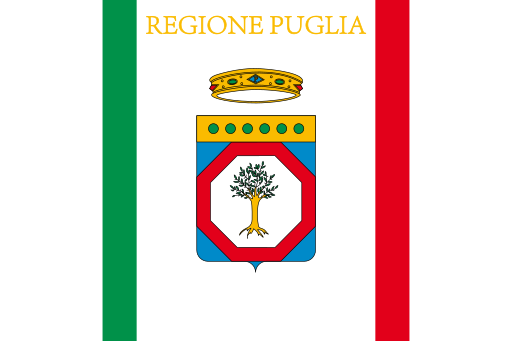
Apulia
Adriatic and Ionian coasts surround olive plains and the limestone Murge.
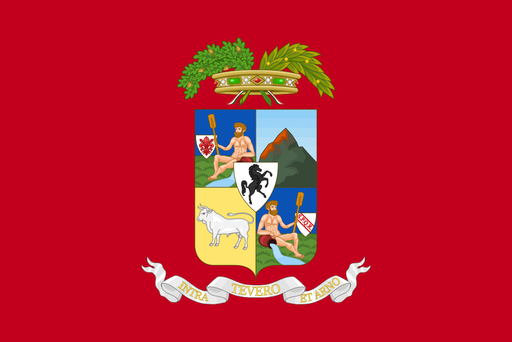
Arezzo
Tuscan hills and broad valleys meet near the eastern edge of the Apennines.
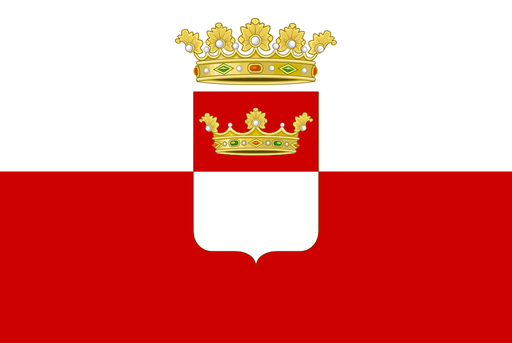
Avellino
Wooded Apennine hills and fertile valleys fill inland Campania.
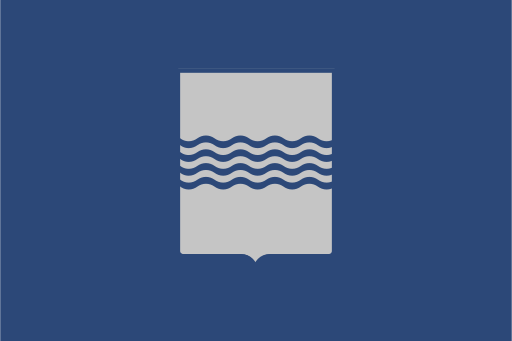
Basilicata
Mountainous southern uplands descend toward both Tyrrhenian and Ionian coasts.
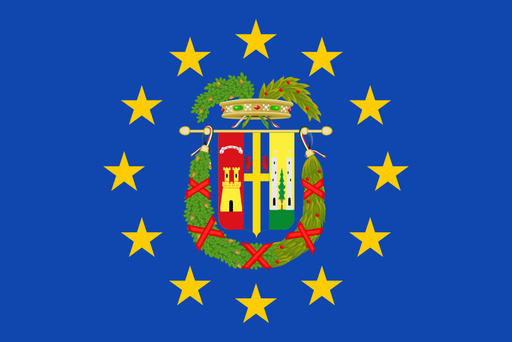
Belluno
Dolomite peaks and deep Alpine valleys dominate Italy's northeastern mountains.
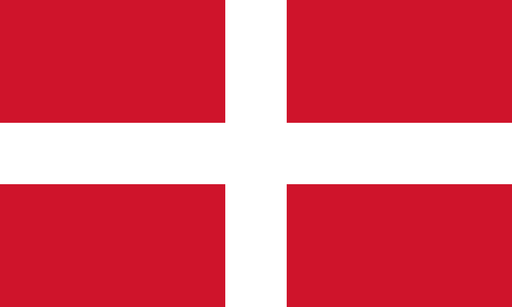
Borgomanera
Low Piedmontese hills rise between the Po plain and the Alpine lakes.
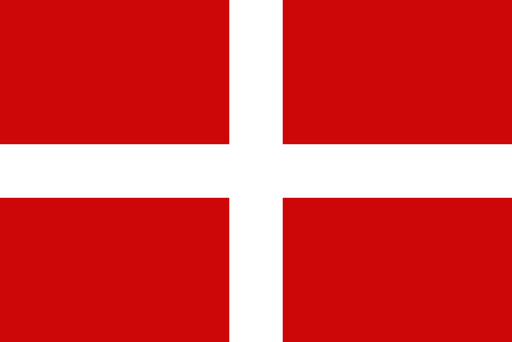
Bormio
High Alpine valleys lie beneath glaciated peaks near the upper Adda River.
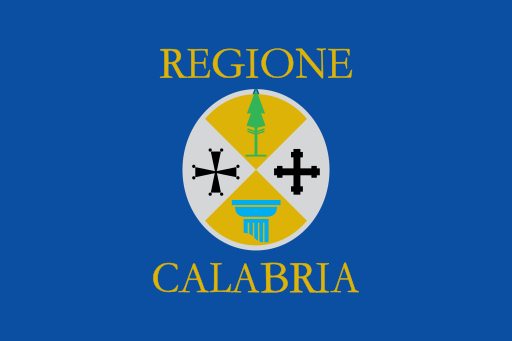
Calabria
Mountain ranges run between long Tyrrhenian and Ionian coastlines.
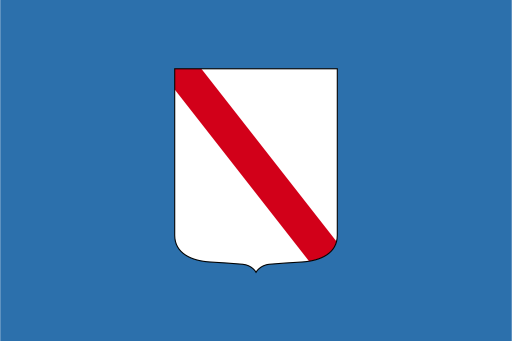
Campania
Volcanic mountains overlook a densely settled Tyrrhenian coastal plain.
Cities
Browse this country’s city flags and available downloads.
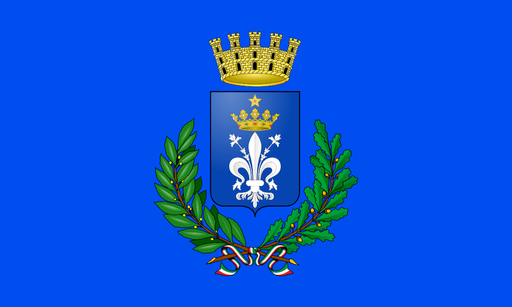
Acerra
It is part of the Naples metropolitan area and combines residential districts, agriculture, industrial zones, and logistics facilities.
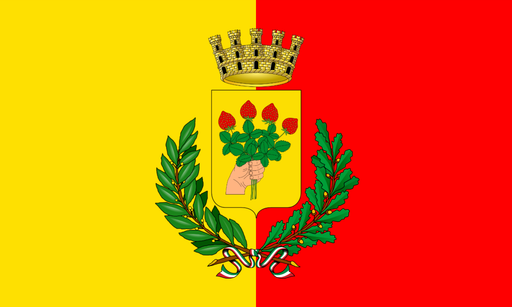
Afragola
The modern Napoli Afragola high-speed railway station, designed by Zaha Hadid Architects, has made the city an important national rail interchange.

Alessandria
It is a regional center for administration, logistics, manufacturing, commerce, and services.
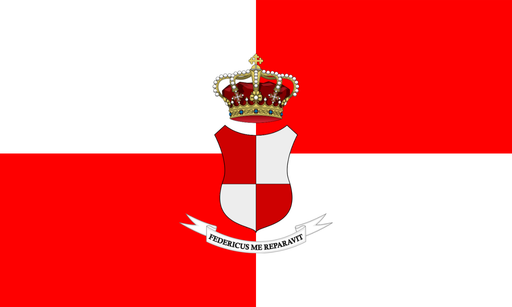
Altamura
Altamura is especially known for its protected traditional bread and for nearby prehistoric discoveries, including the Altamura Man remains found in a cave system.
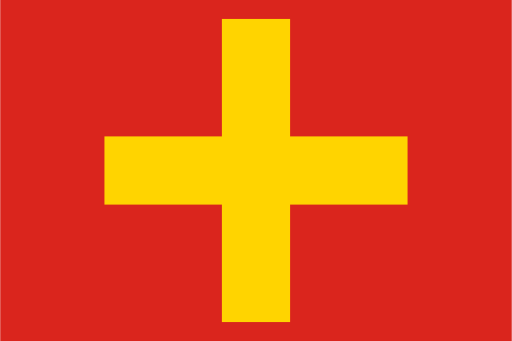
Ancona
It is the capital of the Marche and an important center for shipping, administration, universities, health care, manufacturing, and services.
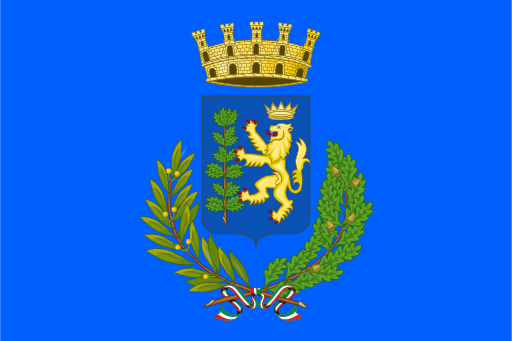
Andria
It is one of the capitals of the Province of Barletta-Andria-Trani and an important center for agriculture, food production, commerce, and services.
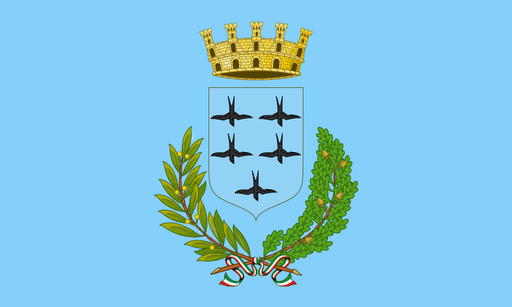
Aprilia
Aprilia was founded in 1936 as one of the new towns created during the reclamation of the Pontine Marshes.
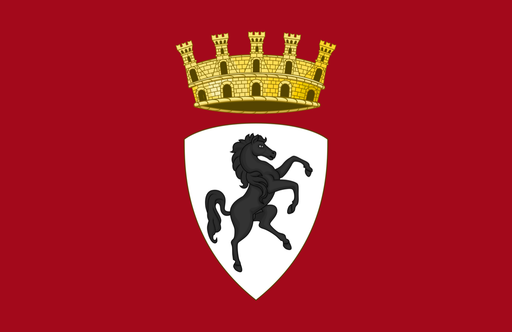
Arretium
Under Roman rule, Arretium became especially known for producing fine red-gloss pottery, commonly called Arretine ware, which was traded widely across the empire.
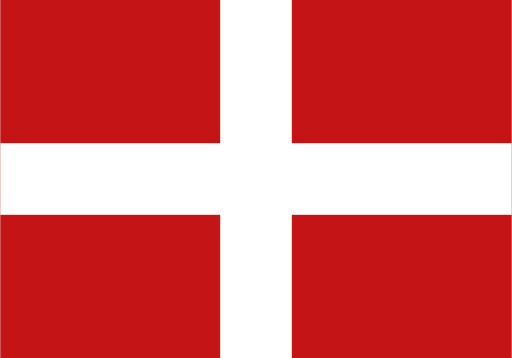
Asti
The medieval city was once a powerful commercial commune and retains towers, churches, palaces, and narrow streets from that period.
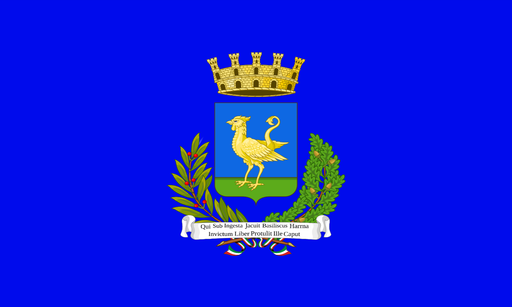
Aversa
The historic core contains churches, palaces, and narrow streets.
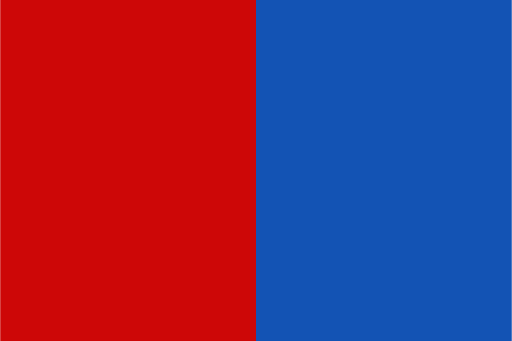
Bagheria
Bagheria became famous for its elaborate Baroque villas built by Palermo's aristocracy during the seventeenth and eighteenth centuries.
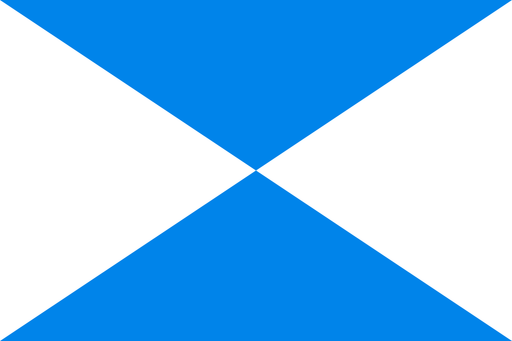
Bari
It is the capital of Apulia and a major center for administration, universities, shipping, commerce, technology, tourism, and services.