
Peru
Peru stretches along the Pacific side of South America, where a narrow arid coastal belt rises abruptly into the Andes before descending eastward into the Amazon Basin. High plateaus and deep valleys divide the mountain zone, while most large coastal cities lie in irrigated valleys embedded within one of the world’s driest subtropical regions.
Peru’s civil flag has three equal vertical bands of red, white and red. Versions used for state and military purposes add the coat of arms in the center.
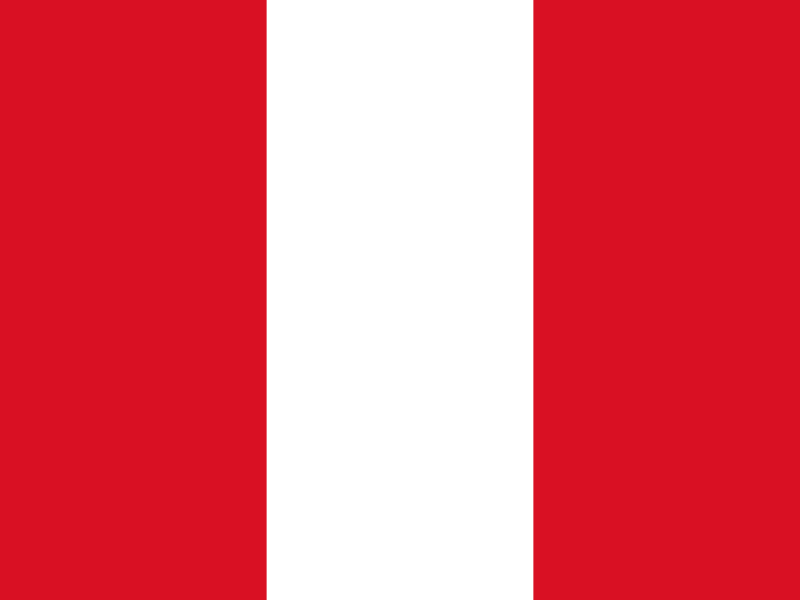
Peru
Regions and cities in our catalog
Regions
Browse this country’s regional flags and available downloads.
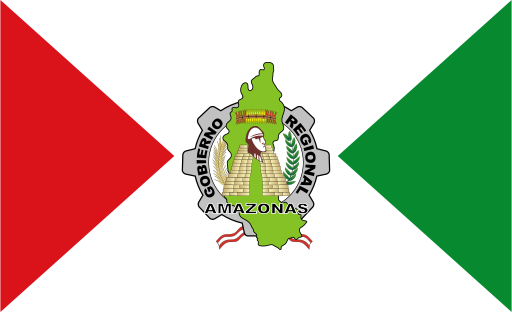
Amazonas Department
Cloud forests and deep Marañón valleys rise into the northern Andes.
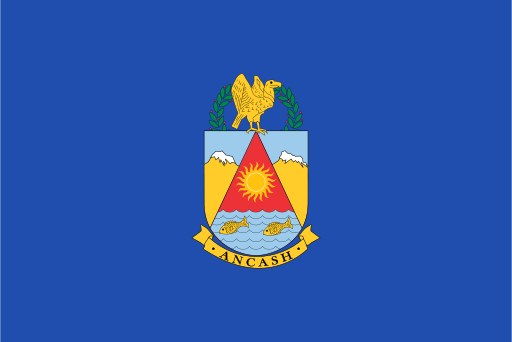
Áncash Department
Snowy Cordillera Blanca peaks rise above deep valleys and a narrow Pacific coast.
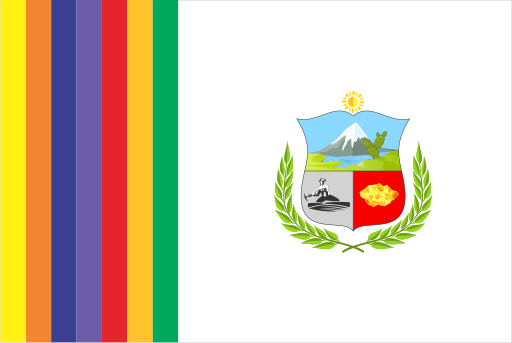
Apurímac Department
Deep Andean canyons separate high plateaus and agricultural valleys.
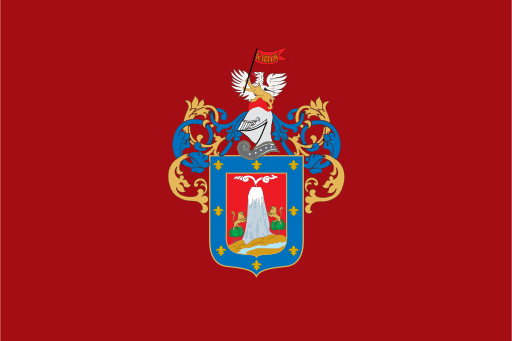
Arequipa Department
Volcanic peaks tower above a dry southern coast and deep Andean valleys.
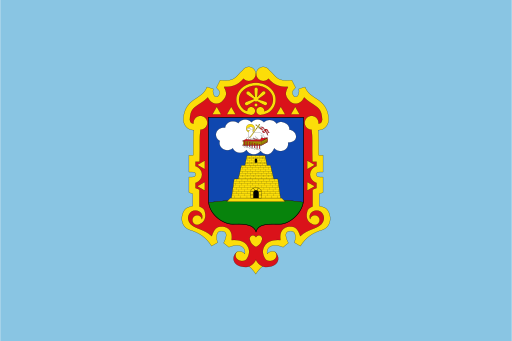
Ayacucho Department
High Andean plateaus and deep river valleys fill Peru's south-central interior.
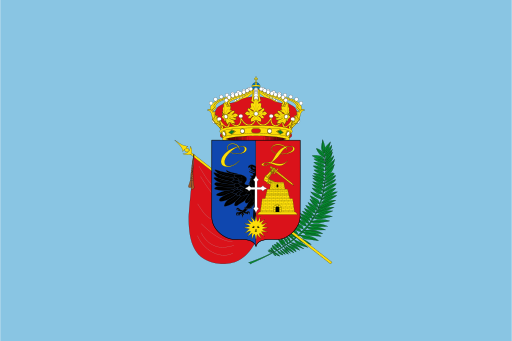
Cajamarca Department
Green Andean valleys and high grasslands descend toward the Marañón basin.
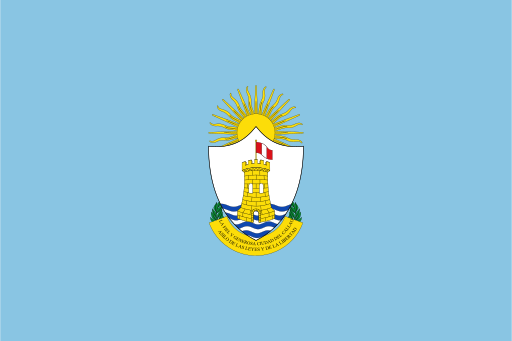
Constitutional Province of Callao
A densely urbanized Pacific port occupies the coast beside metropolitan Lima.
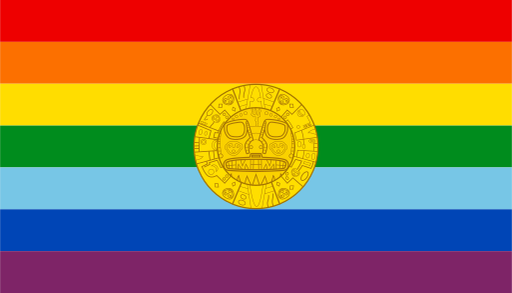
Cusco Department
High Andean valleys descend eastward from snow peaks into Amazon forest.
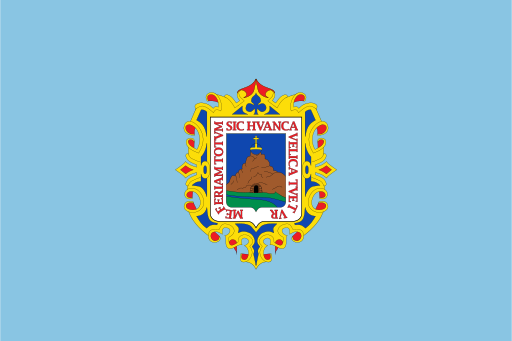
Huancavelica Department
High puna grasslands and steep valleys dominate the central Andean interior.

Huanuco Department
Andean valleys descend through cloud forest toward the upper Amazon basin.
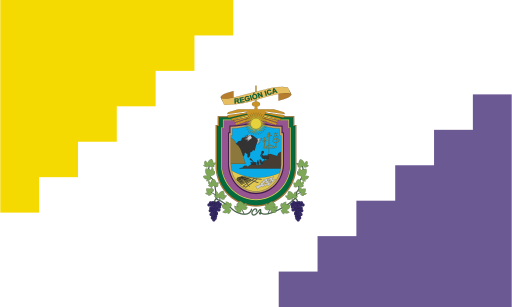
Ica Department
One of the world's driest deserts meets irrigated valleys and Pacific bays.
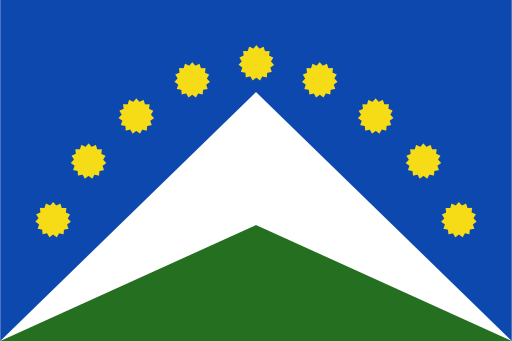
Junín Department
High Andean valleys descend sharply eastward into humid cloud forests.
Cities
Browse this country’s city flags and available downloads.
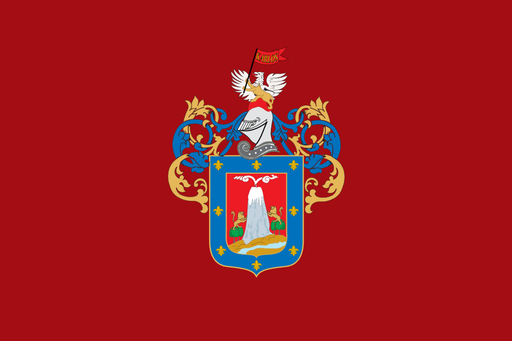
Arequipa
The city's historic center is built largely from pale volcanic stone known as sillar and is listed as a UNESCO World Heritage site.
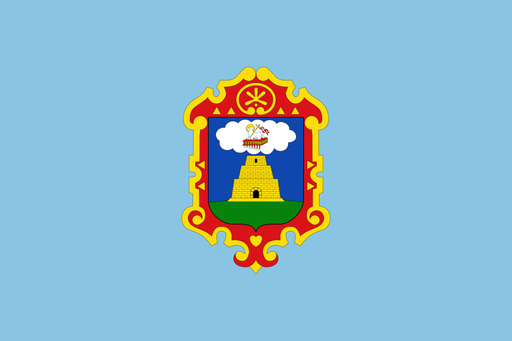
Ayacucho
The city is also known for elaborate Holy Week celebrations and a strong tradition of handicrafts, including retablos and carved stone.
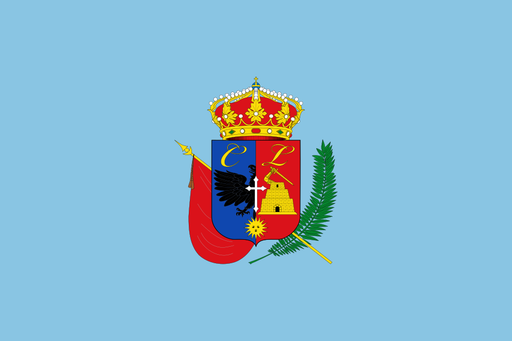
Cajamarca
The city is famous as the place where Spanish forces captured Inca ruler Atahualpa in 1532.
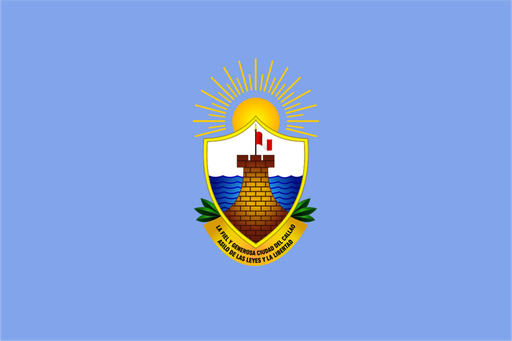
Callao
The historic port district includes the Real Felipe Fortress, built during the colonial period to defend the harbor.
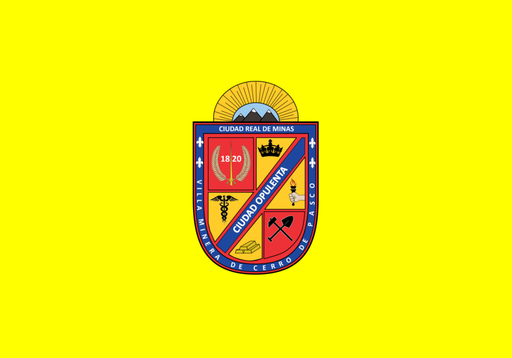
Cerro de Pasco
Mining has dominated the city's economy and physical development for centuries, especially the extraction of lead, zinc and silver.
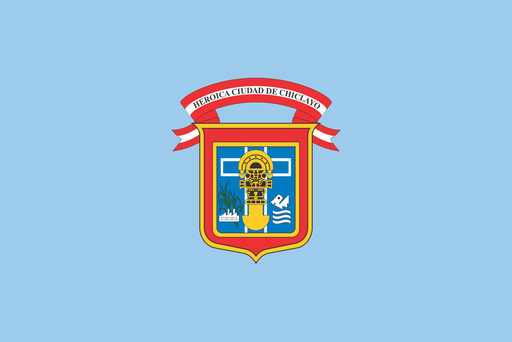
Chiclayo
It is a major commercial, transport and service center for an agricultural region producing rice, sugarcane and other irrigated crops.
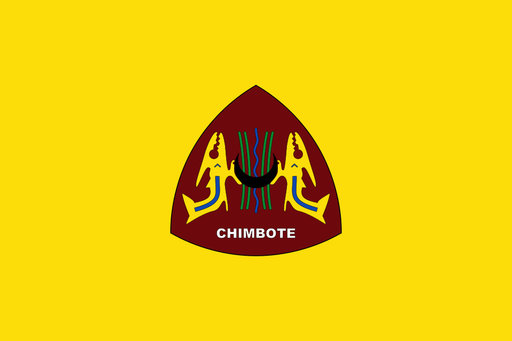
Chimbote
The city grew rapidly through fishing, fishmeal production and the development of a major steel complex during the twentieth century.
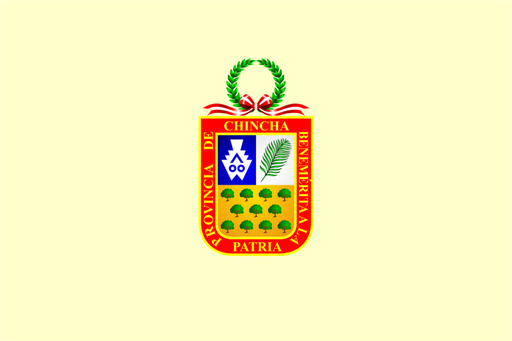
Chincha Alta
The Chincha region is also an important center of Afro-Peruvian culture, especially music, dance and cuisine.
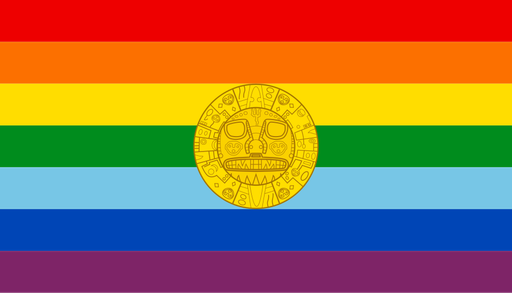
Cusco
Cusco lies in a high Andean basin in southeastern Peru and was the political and ceremonial capital of the Inca Empire.
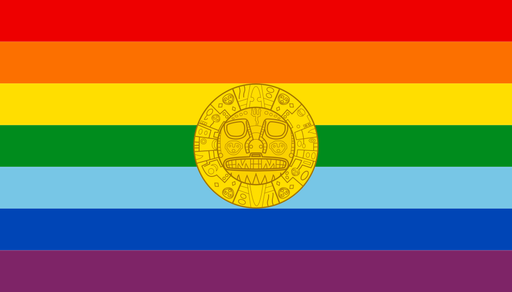
Flag of Cusco
The historical rainbow banner became strongly associated with modern Cusco during the late twentieth century before the municipal design was changed in 2021.
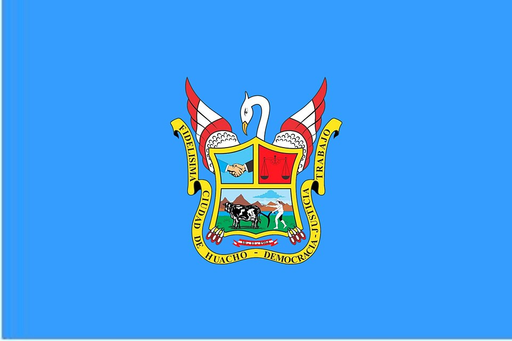
Huacho
Historic sites associated with Peru's independence period are found in the wider Huaura region.

Huancayo
The city is a major center for commerce, education, health care and transport across the central Andes.