
Slovakia
Slovakia occupies a landlocked position in Central Europe, with the Carpathians and especially the Tatras dominating the north and central parts of the country. Lower basins and the Danubian Lowland open toward the southwest, while river valleys connect mountain settlements with broad agricultural and urban areas.
Slovakia’s flag has horizontal white, blue and red bands. Towards the hoist, a shield displays a double cross standing on three hills.
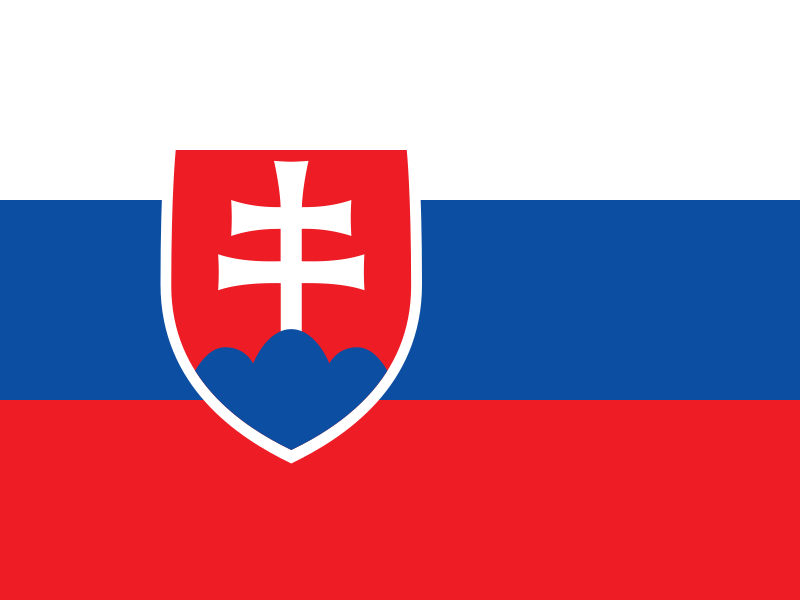
Slovakia
Regions and cities in our catalog
Regions
Browse this country’s regional flags and available downloads.

Banská Bystrica Region
Central Slovak mountains surround mining valleys, forests and upland basins.

Bratislava Region
Danube lowlands and the Little Carpathians meet around Slovakia's capital.
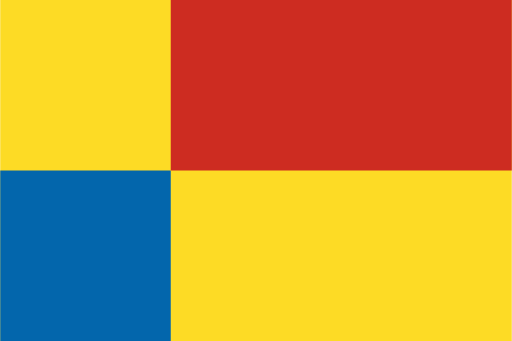
Košice Region
Eastern Slovak basins rise toward wooded mountains and volcanic uplands.

Nitra Region
Warm Danube lowlands rise northward toward vineyards and western Slovak hills.
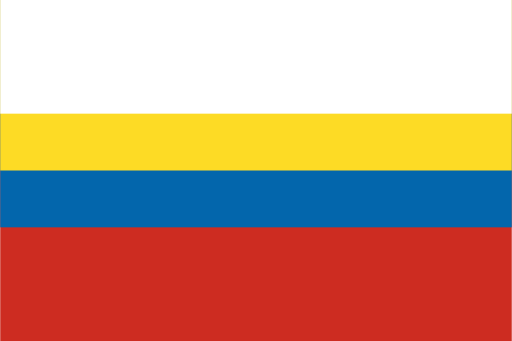
Prešov Region
High Tatras, wooded Carpathians and broad valleys dominate northeastern Slovakia.
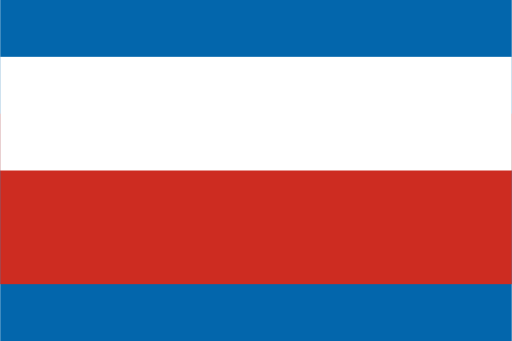
Trenčín Region
The Váh valley winds between wooded mountains and western Slovak uplands.

Trnava Region
Fertile western lowlands surround the Váh valley and Little Carpathian foothills.

Žilina region
The Váh basin is enclosed by high Carpathian ranges in northern Slovakia.
Cities
Browse this country’s city flags and available downloads.

Banská Bystrica
Banská Bystrica is a city in central Slovakia.

Bratislava
Bratislava is the capital of Slovakia.
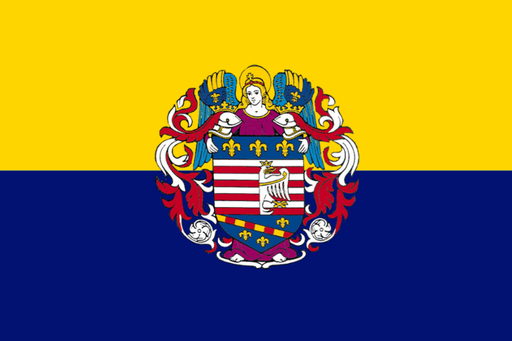
Košice
The historic center, universities, steel industry, residential districts, parks, and business areas form the country's second-largest city.
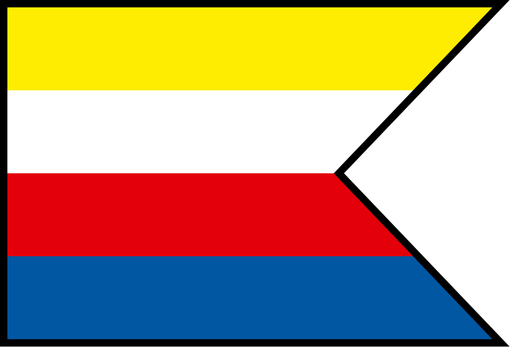
Martin
Martin is a city in northern Slovakia.

Nitra
It is one of Slovakia's oldest urban centers and was important in the early medieval Principality of Nitra.

Petržalka
Petržalka is a borough of Bratislava in Slovakia.

Prešov
The historic center is joined by universities, residential districts, industry, parks, and commercial areas.

Trenčín
Historic streets, residential districts, industry, parks, and transport corridors make it an important regional center.
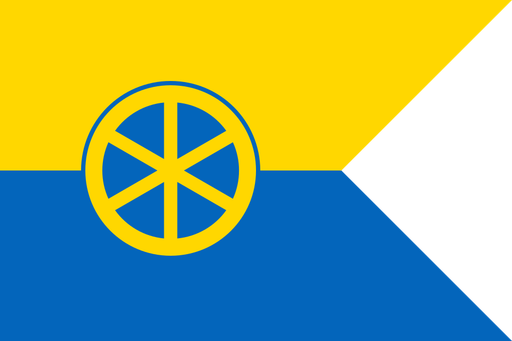
Trnava
Medieval walls, numerous churches, museums, university buildings, cultural events, and nearby vineyards contribute to the city's reputation as an important historic and religious center.
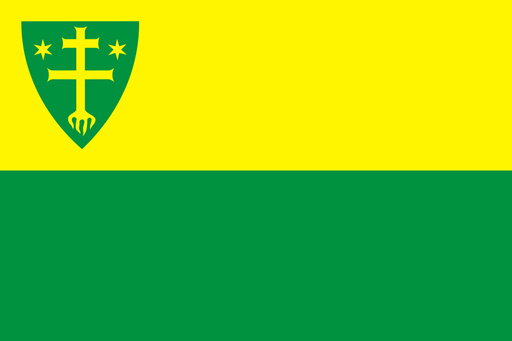
Žilina
Residential districts, universities, manufacturing plants, railways, and a historic center form an important regional hub.