
Sweden
Sweden occupies the eastern side of the Scandinavian Peninsula, facing the Baltic Sea and Gulf of Bothnia and extending far into the north. Forests and lakes dominate large areas, fertile plains are more common in the south, and the Scandinavian Mountains rise along the western frontier, while long archipelagos fringe parts of the coast.
Sweden’s flag has a blue field with a yellow Nordic cross. Its upright arm is set towards the hoist.
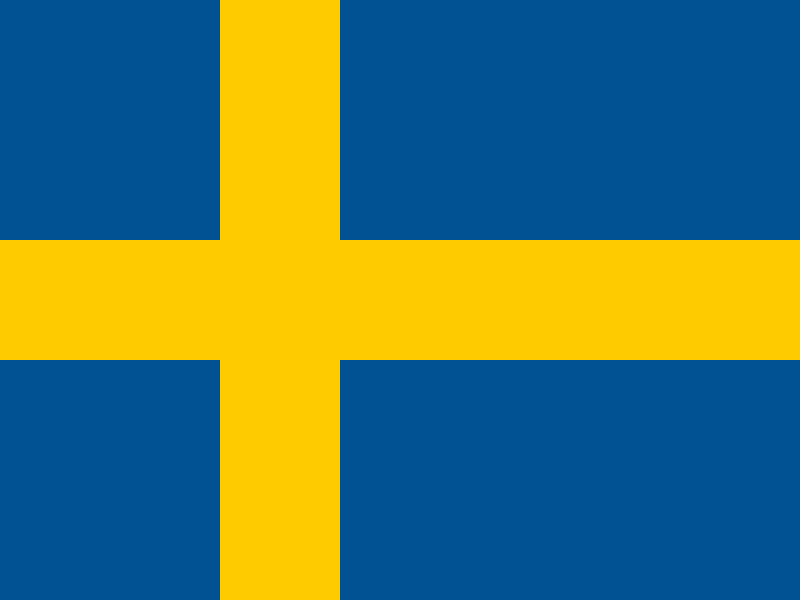
Sweden
Regions and cities in our catalog
Regions
Browse this country’s regional flags and available downloads.
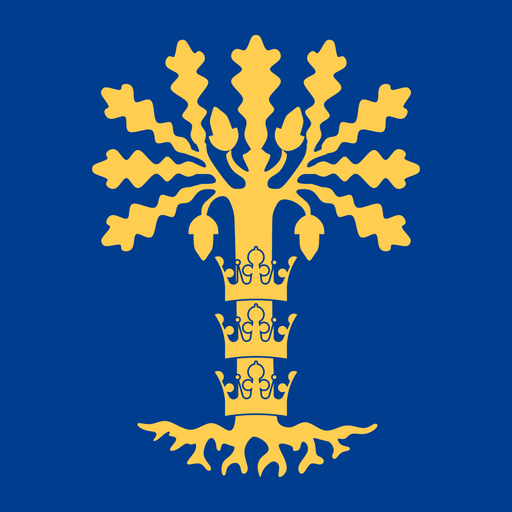
Blekinge
A low Baltic coast of islands and bays rises inland into wooded southern hills.
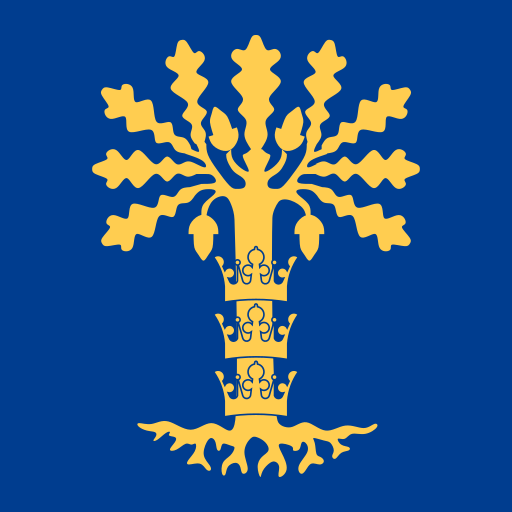
Blekinge County
Baltic archipelagos, sheltered bays, and Karlskrona's naval setting meet wooded inland districts in southeastern Sweden.
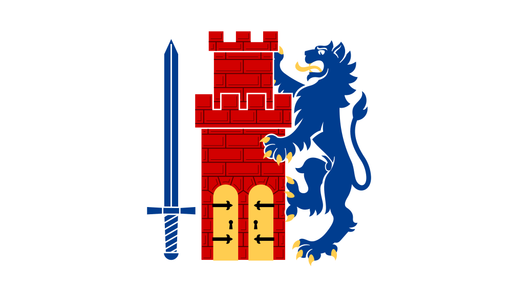
Bohuslän
Granite islands and narrow sounds form a rugged North Sea coast in western Sweden.
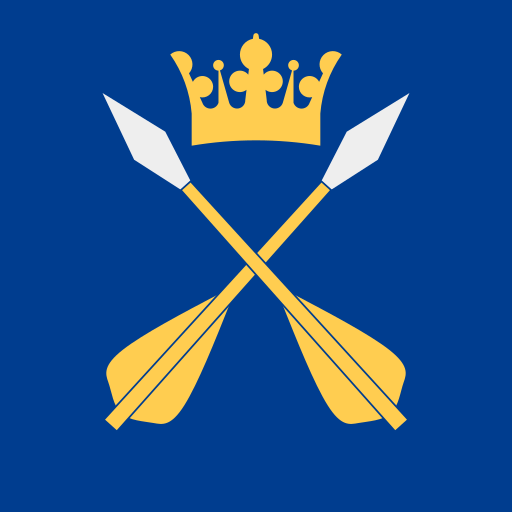
Dalarna County
Falun, Borlänge, and broad inland valleys give way to forested uplands and northwestern ski country in Dalarna.
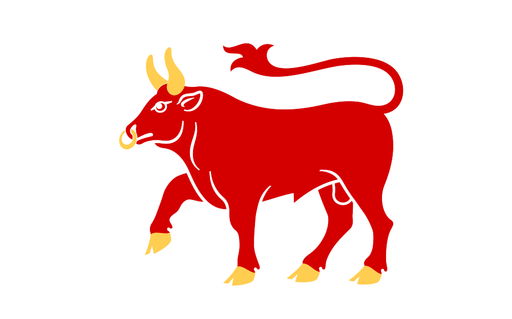
Dalsland
Forested hills and countless lakes form a quiet inland landscape near Norway.
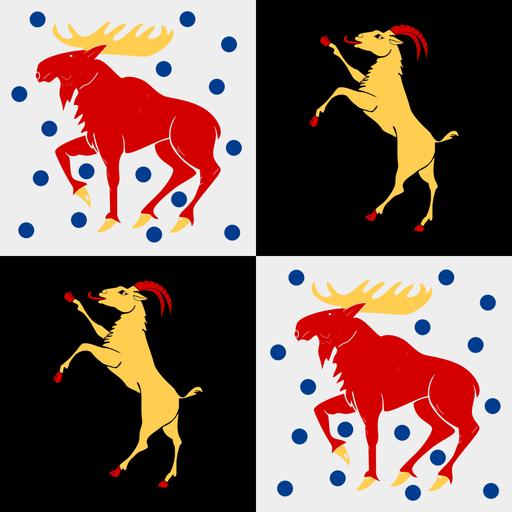
Gavleborg
Baltic coastal lowlands rise westward through forests and broad river valleys.
Gävleborg County
A port and manufacturing coast opens into forest industries, river valleys, and traditional farm districts across Gävleborg.
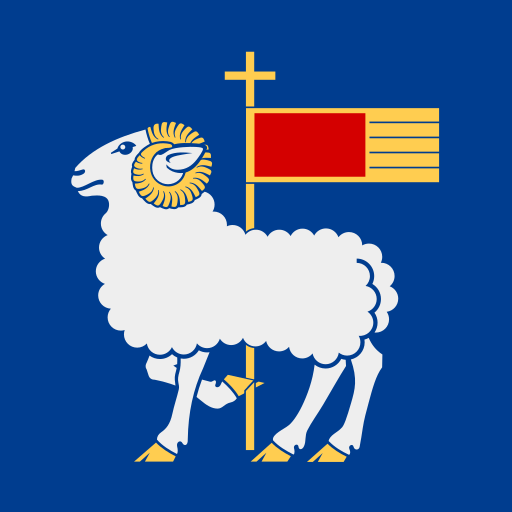
Gotland County
Limestone sea stacks, farms, pine woods, and medieval Visby on Gotland and its neighboring Baltic islands.
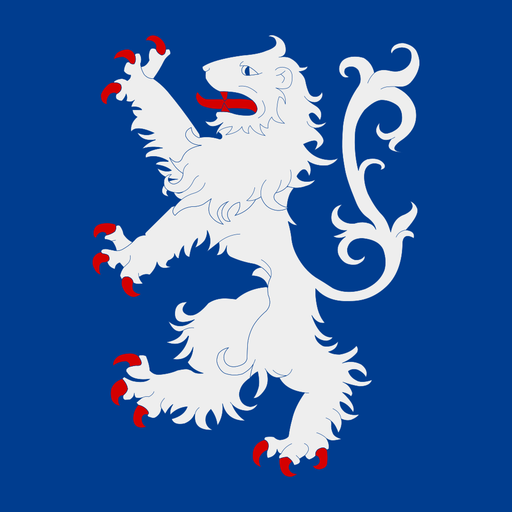
Halland
Long sandy beaches meet fertile coastal plains and wooded inland hills.
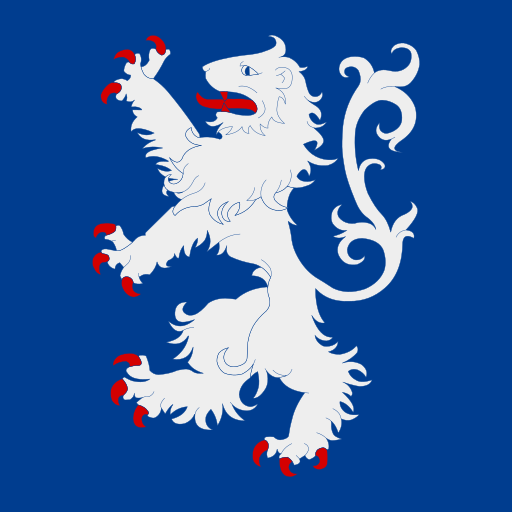
Halland County
Kattegat beaches and cultivated coastal plains extend inland toward Halland's river valleys and wooded hills.
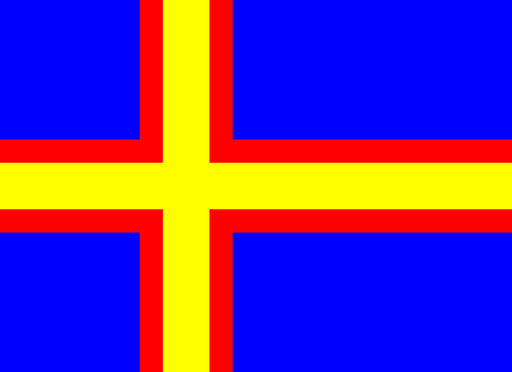
Hälsingland
Forested river valleys and rolling uplands stretch inland from the Gulf of Bothnia.
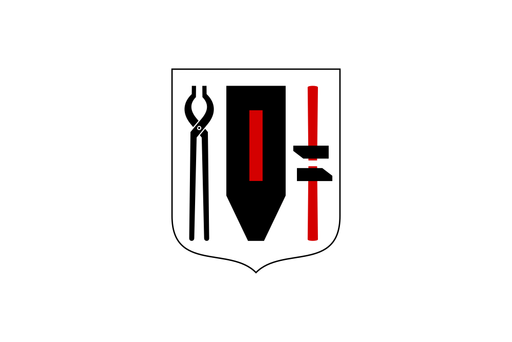
Härjedalen
High forests, mountain plateaus, and river valleys dominate Sweden's inland northwest.
Cities
Browse this country’s city flags and available downloads.

Eskilstuna
Metalworking and mechanical industries have shaped the city for centuries and remain visible in its industrial heritage.
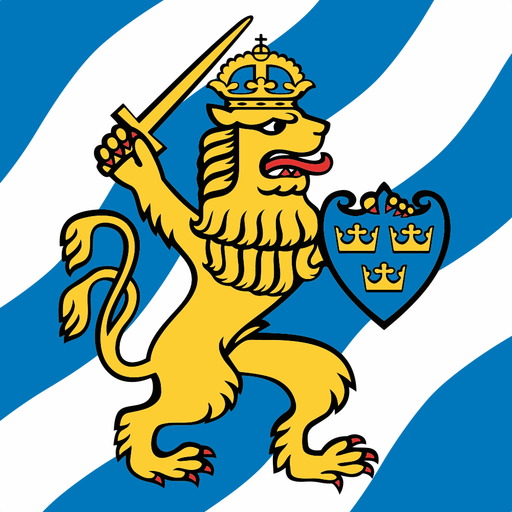
Gothenburg
Today the port, Volvo-related industries, tram network, universities, museums, parks, archipelago ferries, and major events make it western Sweden's dominant metropolitan center.
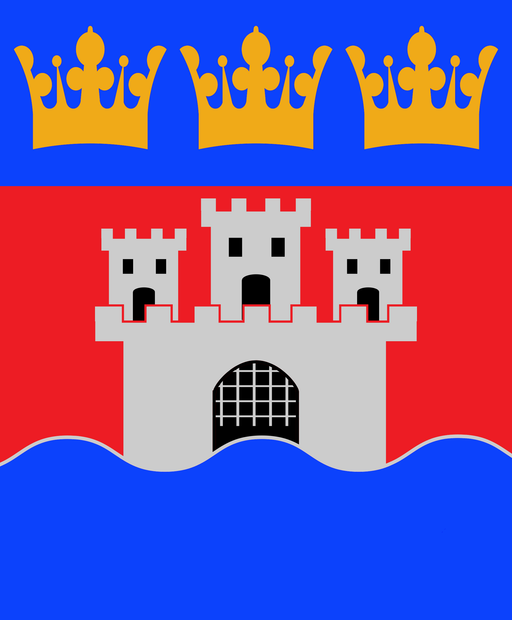
Jönköping
Distribution, engineering, retail, information technology, public administration, and universities support the economy.
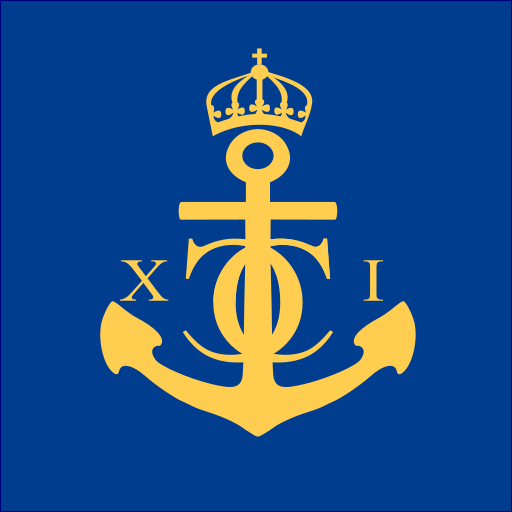
Karlskrona
The planned naval city and its historic dockyard form a UNESCO World Heritage site.
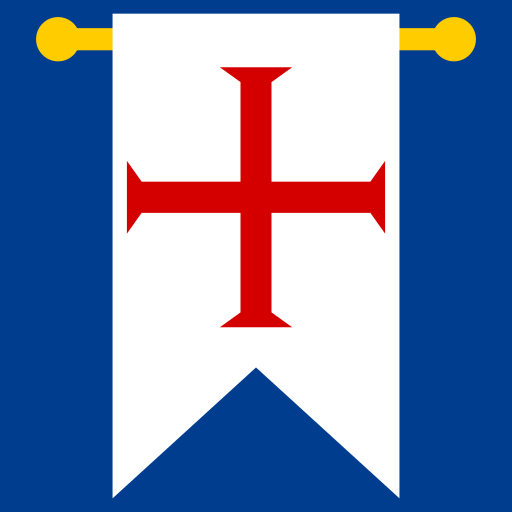
Karlstad
It is a regional center for universities, administration, commerce, technology, manufacturing, and services.

Linköping
It is one of Sweden's leading centers for aerospace, universities, technology, research, health care, and services.
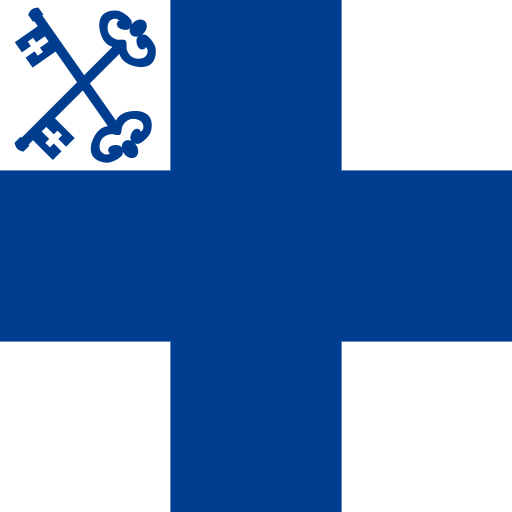
Luleå
It is an important center for steel, technology, universities, logistics, energy, administration, and services.

Lund
The Romanesque cathedral anchors the medieval center, while major research facilities have expanded on the outskirts.
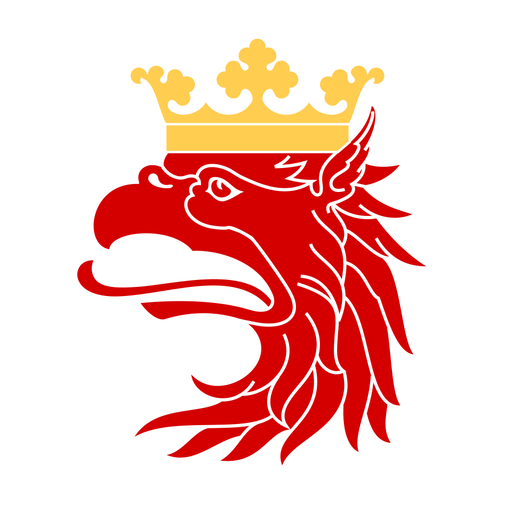
Malmö
Beaches, canals, parks, historic squares, modern towers, university buildings, port facilities, and dense multicultural neighborhoods define the city today.
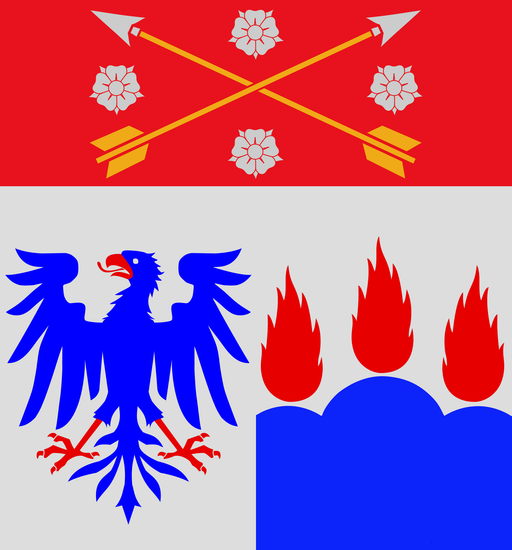
Örebro
It is a major logistics, university, administrative, manufacturing, commercial, and service center.
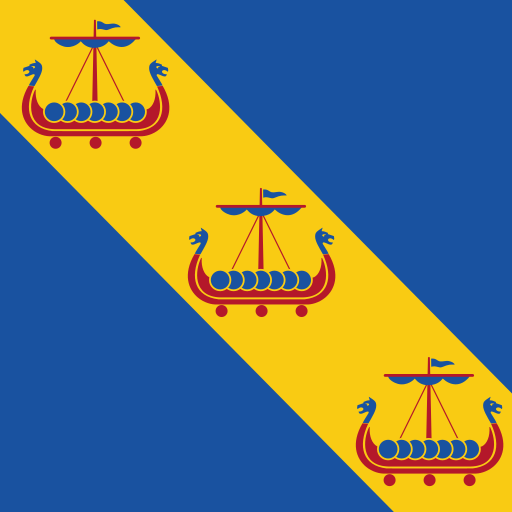
Sollentuna
It functions as an important residential, commercial, office, and service center rather than a traditional single-core city.
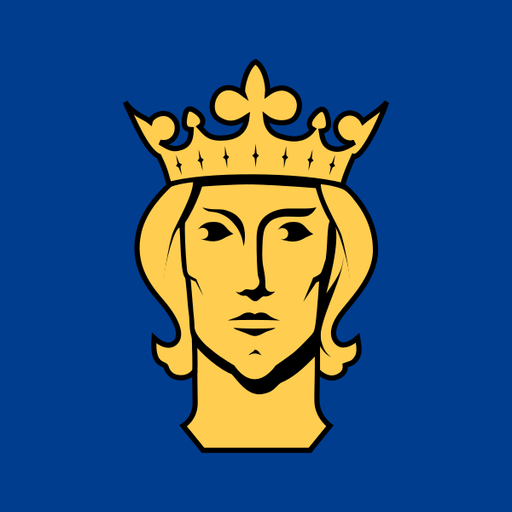
Stockholm
It is Sweden's capital and principal center for government, finance, technology, universities, culture, media, and services.