
Cities
Capitals, ports and small towns, each with its own symbols. Find a city by name or browse through its country.
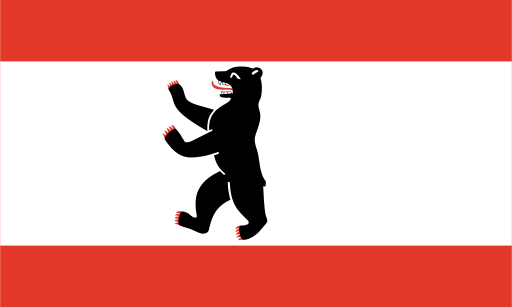
Berlin
Germany’s capital and a federal state in its own right, with major cultural, technology and education sectors.
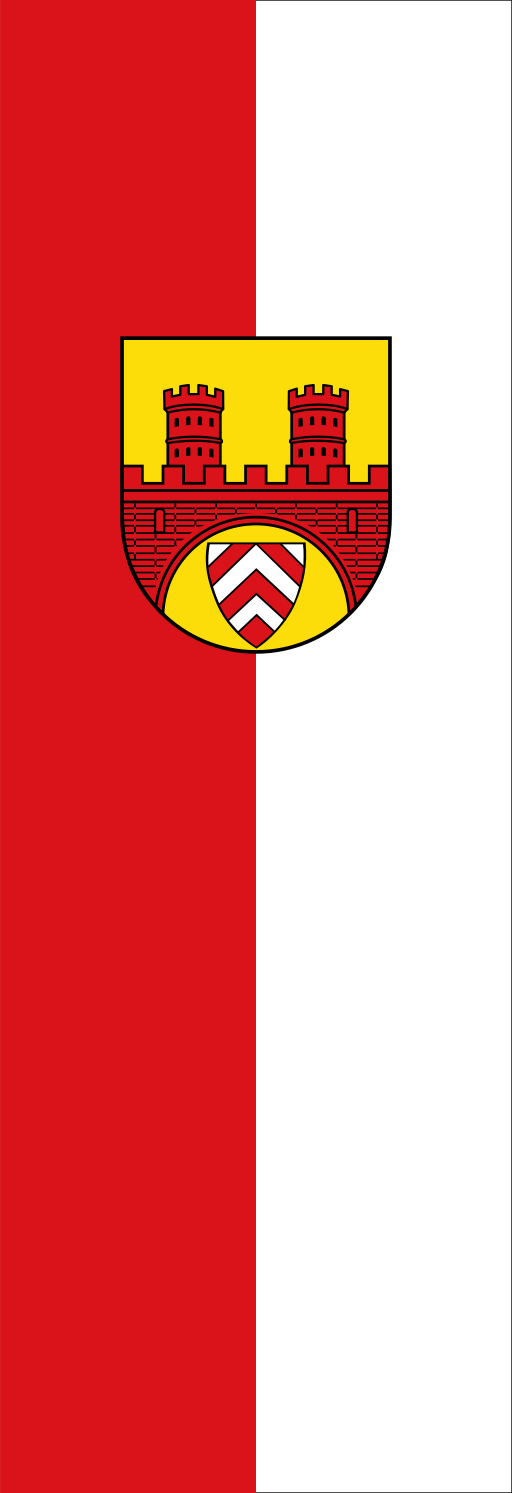
Bielefeld
Sparrenberg Castle, forest trails, museums, universities, and the compact center make the city an important regional hub.
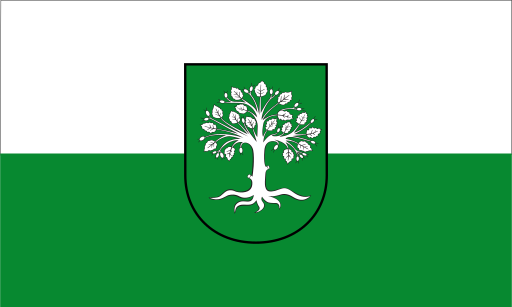
Bocholt
Textile heritage museums, lakes, parks, cycling infrastructure, and the historic center contribute to recreation and tourism.
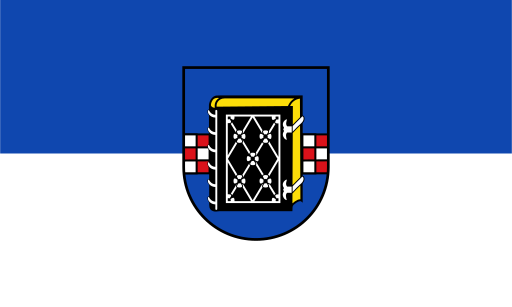
Bochum
Ruhr University, the German Mining Museum, theatres, converted industrial sites, and extensive green corridors reflect the city's economic transformation.
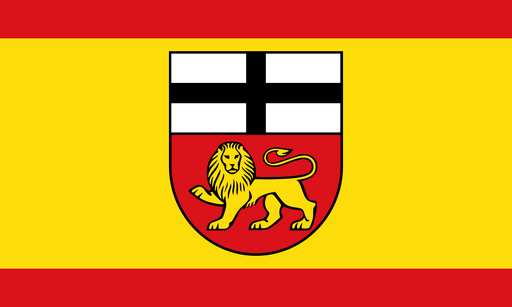
Bonn
It served as the capital of West Germany from 1949 until German reunification and remains a major federal center.
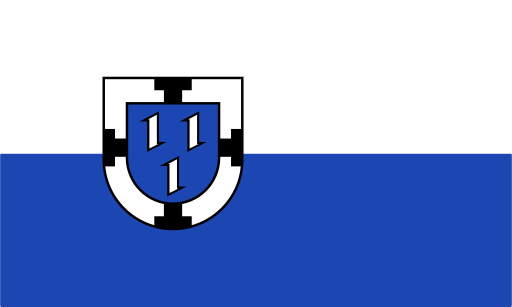
Bottrop
Former industrial sites, green parks, cycling routes, museums, and recreation facilities illustrate the city's shift from mining toward a more diversified metropolitan economy.
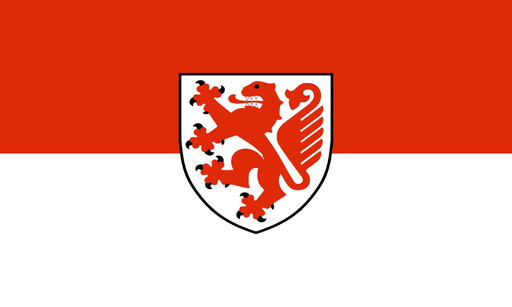
Braunschweig
The medieval lion monument, cathedral, museums, research institutes, and reconstructed historic squares reflect its long role as a major regional center.
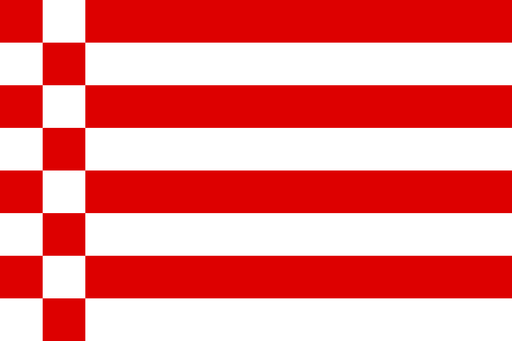
Bremen
The medieval town hall and Roland statue are UNESCO-listed.
Bremerhaven
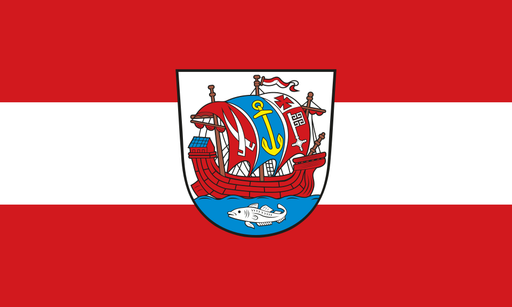
Bremerhaven is a port city in northern Germany on the Weser estuary near the North Sea and forms part of the state of Bremen.
Castrop-Rauxel
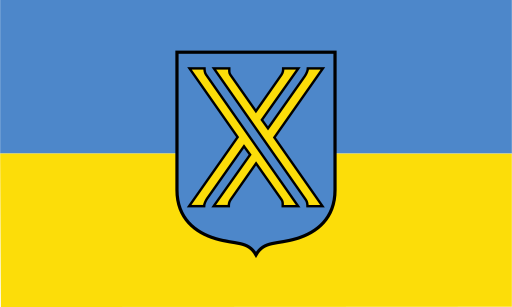
Former collieries, green corridors, canals, parks, and local museums reflect the city's transformation from coal mining toward a more diversified urban economy.

Celle
Celle is a city in Lower Saxony in northern Germany.
Chemnitz
The city has extensive industrial heritage, major museums, modern cultural venues, and served as a European Capital of Culture in 2025, bringing renewed attention to its urban and regional cultural scene.