
Honduras
Honduras stretches from a long Caribbean coast across mountainous interior regions to a shorter shoreline on the Gulf of Fonseca in the Pacific. Broad northern lowlands and river valleys contrast with rugged central and western highlands, while settlement and farming are concentrated in upland basins, valleys and selected coastal plains.
Honduras’s flag has horizontal blue, white and blue bands. Five blue five-pointed stars form an X on the white band.
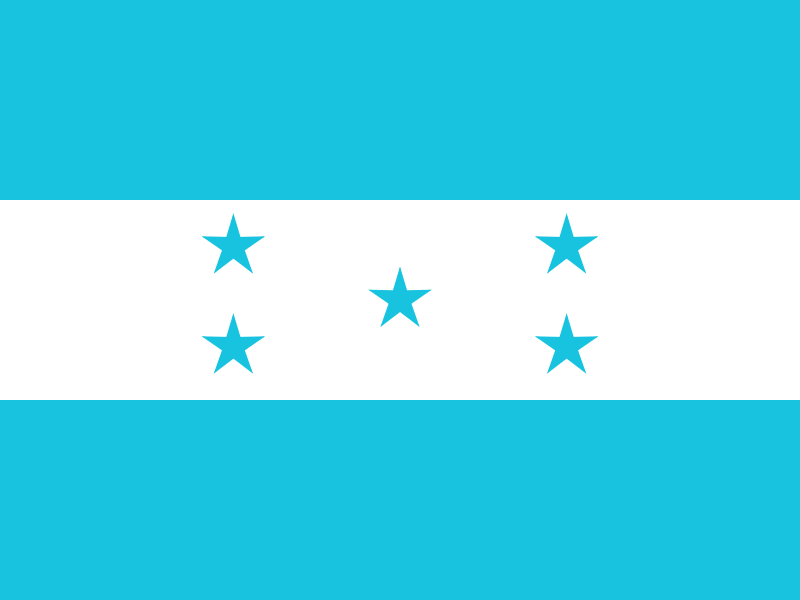
Honduras
Regions and cities in our catalog
Regions
Browse this country’s regional flags and available downloads.
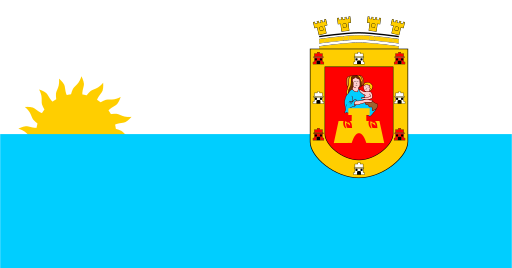
Colón Department
Rainforest and broad river valleys reach Honduras’s remote Caribbean coast.
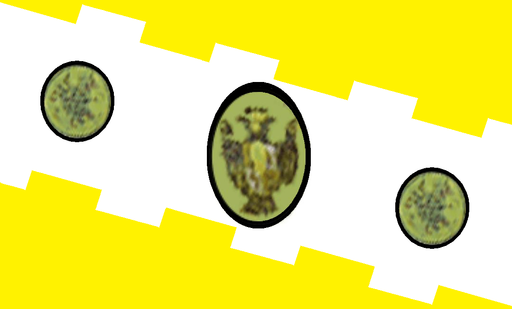
Comayagua Department
A high interior valley is enclosed by mountain ranges in central Honduras.
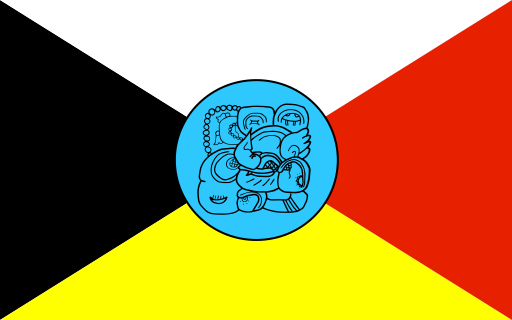
Copán Department
Rugged western highlands hold coffee valleys and forested mountain slopes.
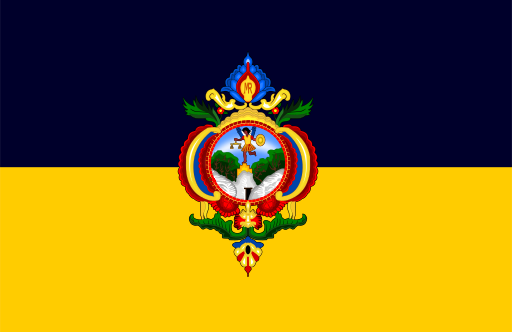
Francisco Morazán Department
Mountain basins surround Honduras’s capital in the country’s central highlands.
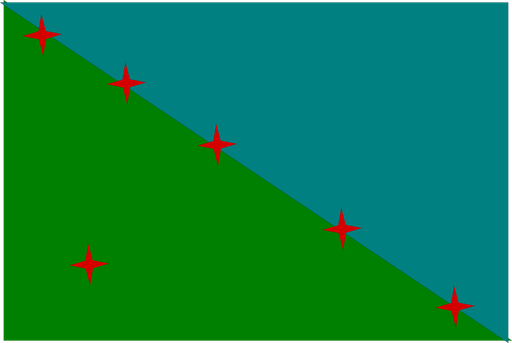
Gracias a Dios Department
Vast rainforest, lagoons, and river deltas cover Honduras’s remote Caribbean east.
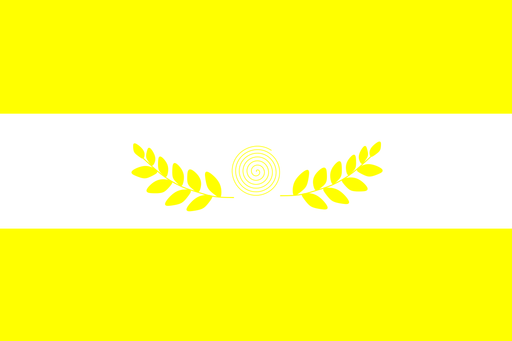
La Paz Department
Mountain ridges and cultivated high valleys fill south-central Honduras.
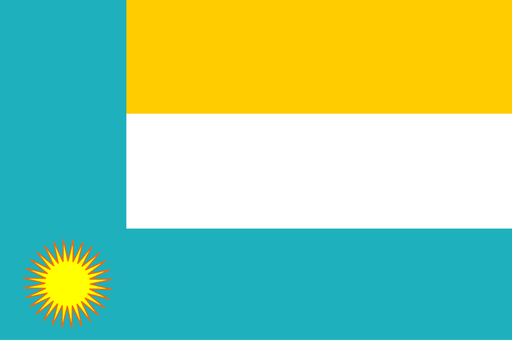
Lempira Department
Steep forested mountains and coffee valleys dominate Honduras’s western interior.
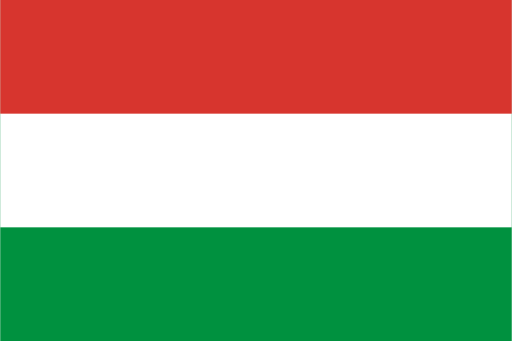
Ocotepeque Department
Mountain valleys and pine-covered ridges meet at Honduras’s far western corner.
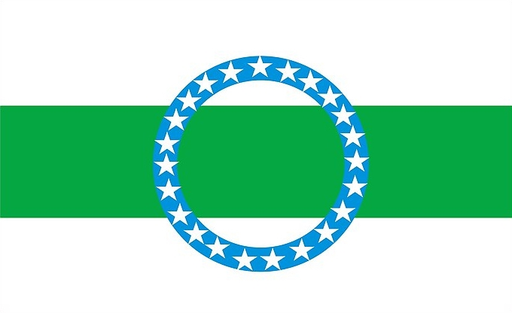
Olancho Department
Vast mountain ranges and broad river valleys cover eastern-central Honduras.

Santa Bárbara Department
Mountain valleys and coffee slopes rise above Lake Yojoa in western Honduras.
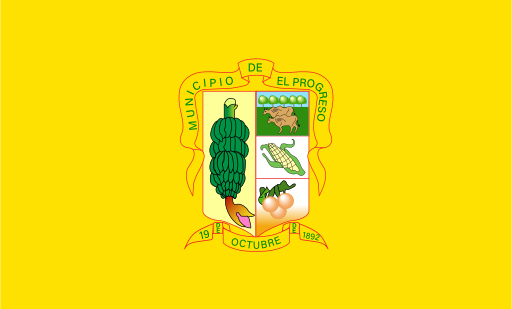
Yoro Department
Broad river valleys and forested mountains lie between central Honduras and the Caribbean.
Cities
Browse this country’s city flags and available downloads.
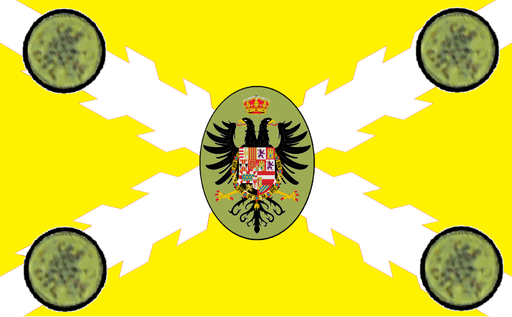
Comayagua
Founded in the sixteenth century, Comayagua served as the colonial and early national capital for long periods and retains a substantial historic center.
San Pedro Sula
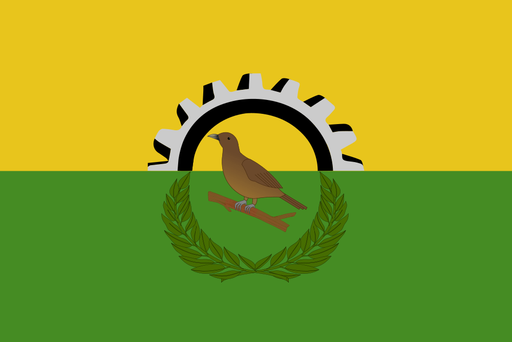
It is the country's leading industrial and commercial center outside the capital, with major manufacturing, finance, logistics, retail, education, and transport functions.
Tegucigalpa
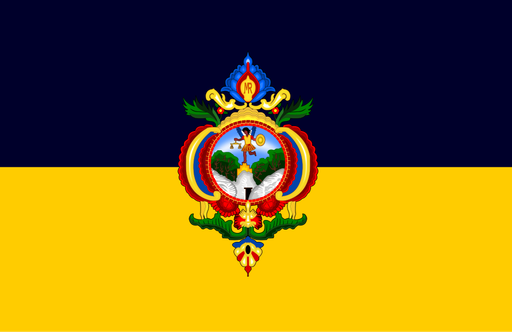
Together with Comayagüela, it forms the national capital and the country's principal center for government, finance, education, commerce, culture, and services.