
Africa
Africa lies on both sides of the equator between the Atlantic and Indian Oceans, with the Mediterranean Sea to the north.
Some African flags use colors associated with Pan-African movements and struggles for independence. Others draw on older political or local traditions. Stripes, stars, coats of arms and individual emblems are common elements.
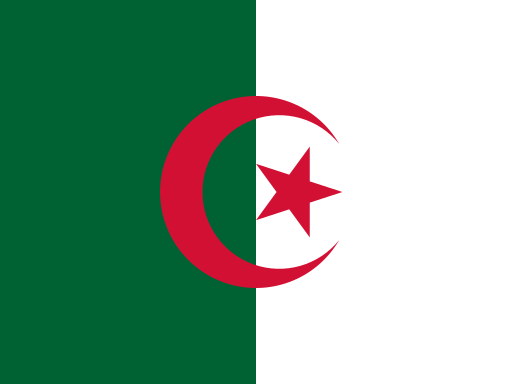
Algeria
A vast North African country stretching from the Mediterranean deep into the Sahara.
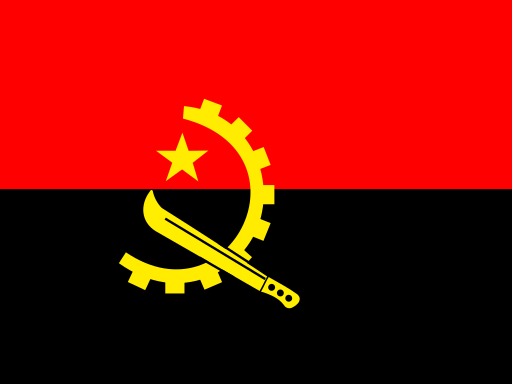
Angola
A southwestern African country of Atlantic coast, highlands and dry interior plateaus.
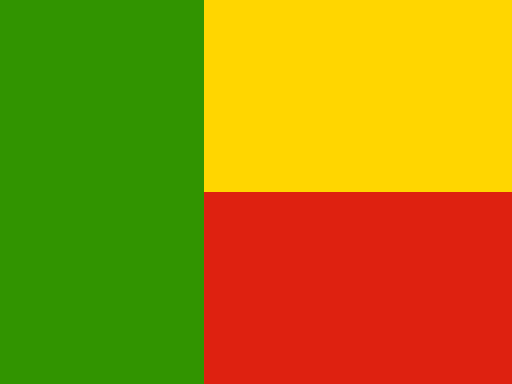
Benin
A narrow West African country from the Gulf of Guinea to inland savannas.
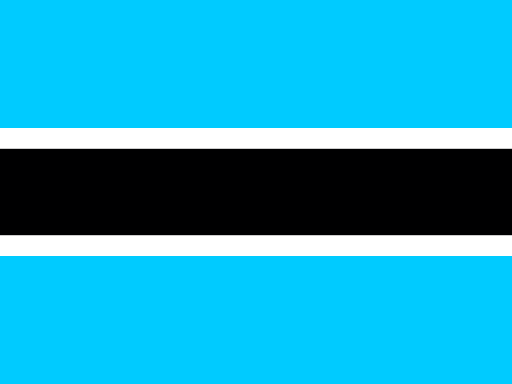
Botswana
A landlocked southern African country of Kalahari plains and inland wetlands.
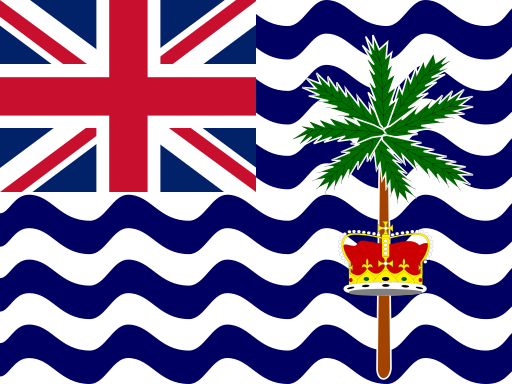
British Indian Ocean Territory
A remote group of low coral islands near the center of the Indian Ocean.
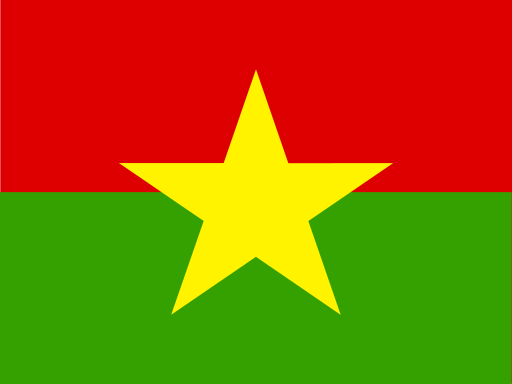
Burkina Faso
A landlocked Sahel country of savannas, dry plains and seasonal river valleys.
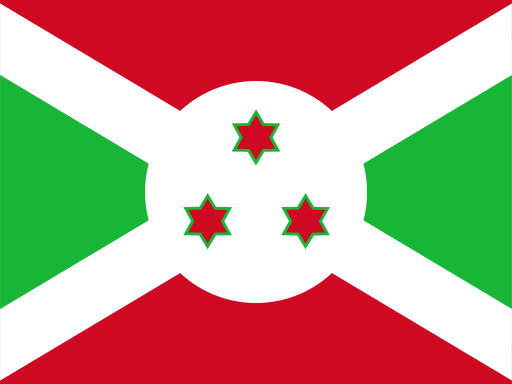
Burundi
A small Great Lakes country of high ridges, plateaus and the Lake Tanganyika shore.
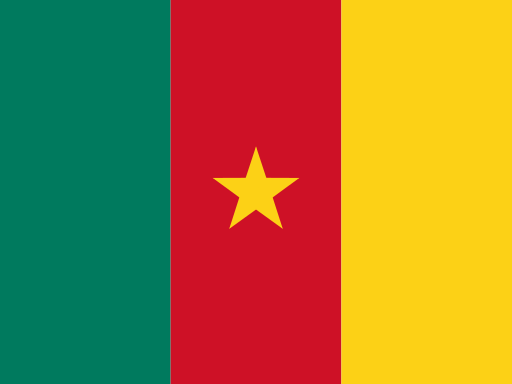
Cameroon
A Central African country stretching from Gulf of Guinea forest to northern savanna.
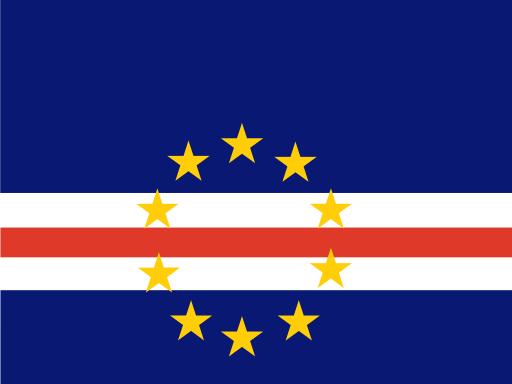
Cape Verde
A volcanic Atlantic archipelago of dry islands off the coast of West Africa.
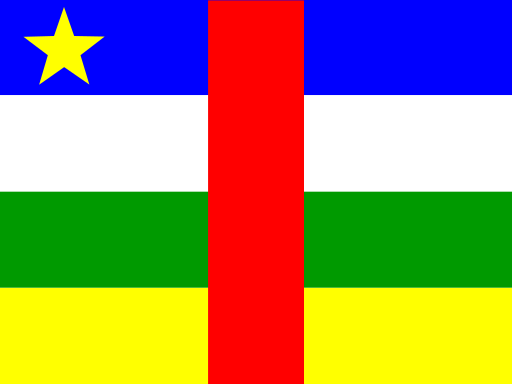
Central African Republic
A landlocked Central African country of river basins, savannas and forest margins.
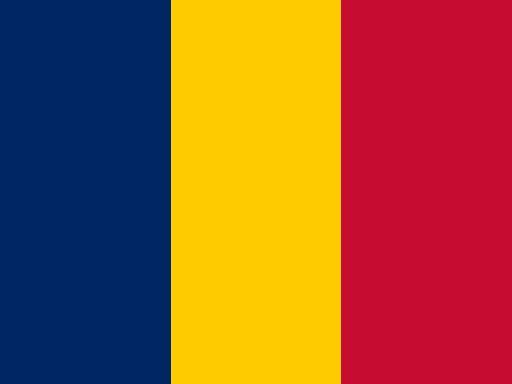
Chad
A vast inland country running from the Sahara through the Sahel to southern savannas.
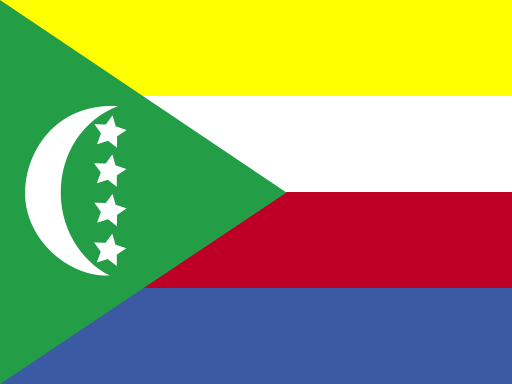
Comoros
A volcanic island chain in the Mozambique Channel between Africa and Madagascar.
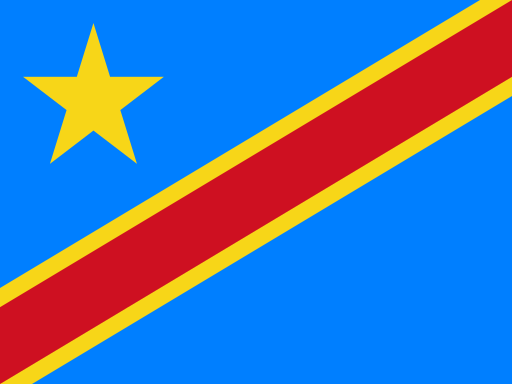
Democratic Republic of the Congo
A vast Central African country spanning the Congo Basin and eastern high mountains.
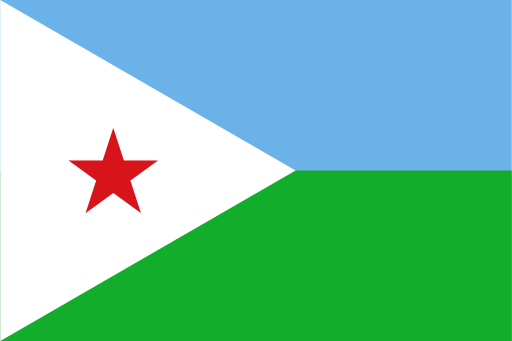
Djibouti
A small Horn of Africa country at the junction of the Red Sea and Gulf of Aden.
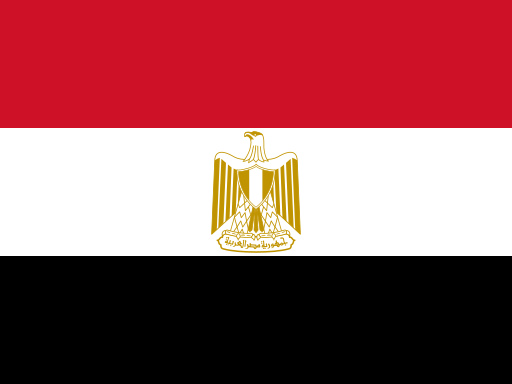
Egypt
A Nile country linking the Mediterranean coast with the deserts of northeast Africa.
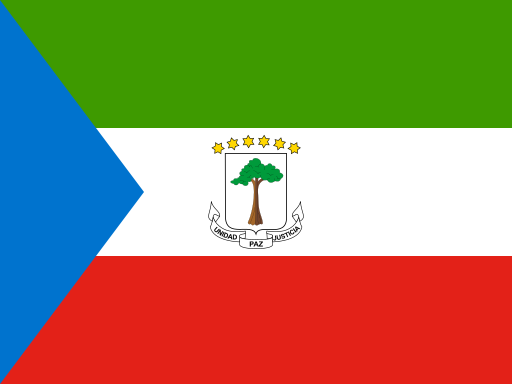
Equatorial Guinea
An equatorial country split between a mainland coast and islands in the Gulf of Guinea.
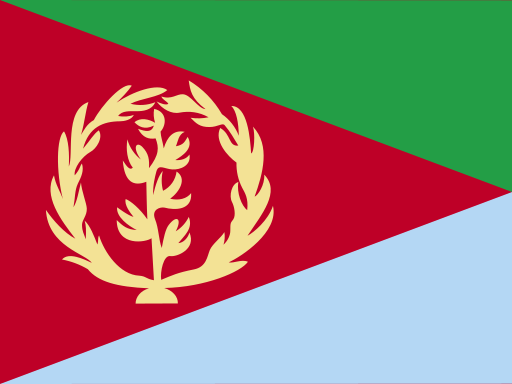
Eritrea
A Red Sea country of high plateaus, escarpments and arid coastal lowlands.
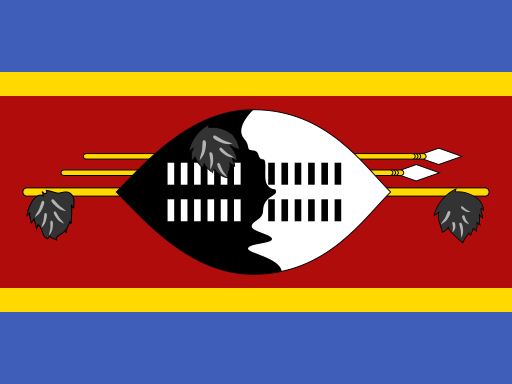
Eswatini
A small inland southern African kingdom of highveld, valleys and eastern lowlands.
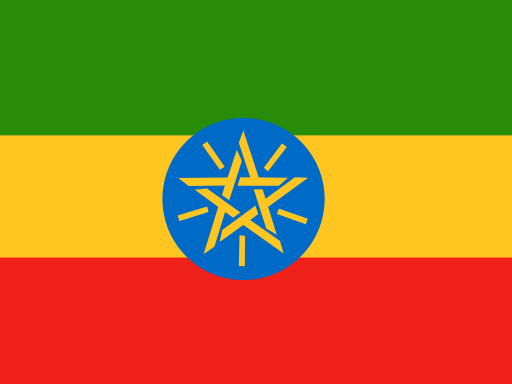
Ethiopia
A highland Horn of Africa country split by the Great Rift Valley.
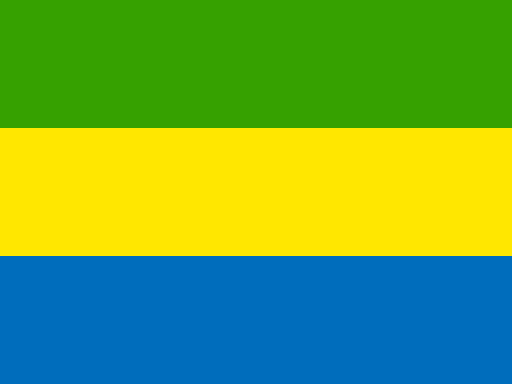
Gabon
An equatorial Atlantic country of rainforest, river basins and coastal plains.
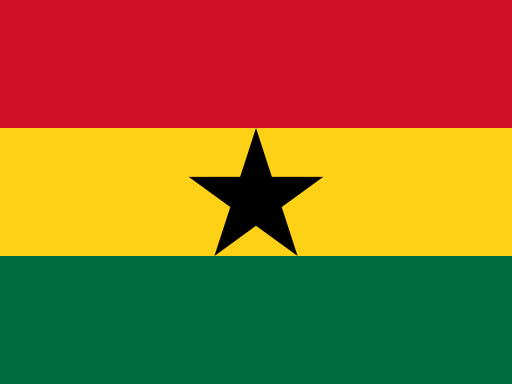
Ghana
A Gulf of Guinea country of coastal plains, forest belt and northern savanna.
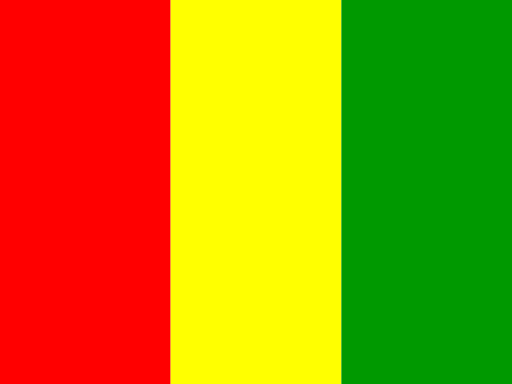
Guinea
A West African country rising from Atlantic lowlands to the Fouta Djallon highlands.
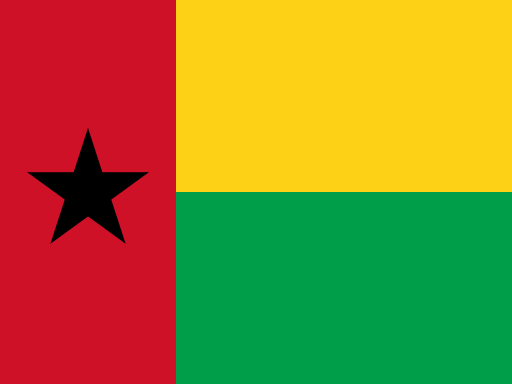
Guinea-Bissau
A low West African coastal country of estuaries, mangroves and offshore islands.
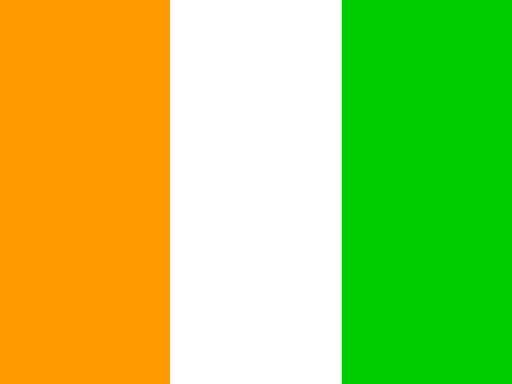
Ivory Coast
A Gulf of Guinea country of lagoons, forest zones and northern savannas.
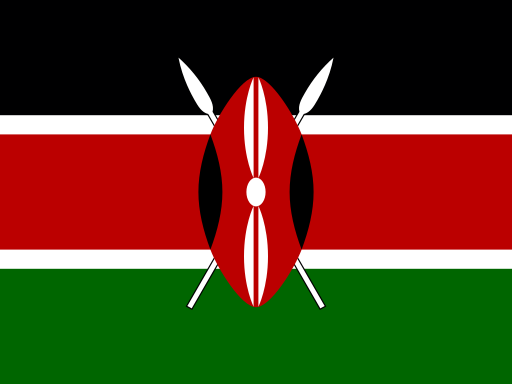
Kenya
An East African country from Indian Ocean lowlands to highlands and the Rift Valley.
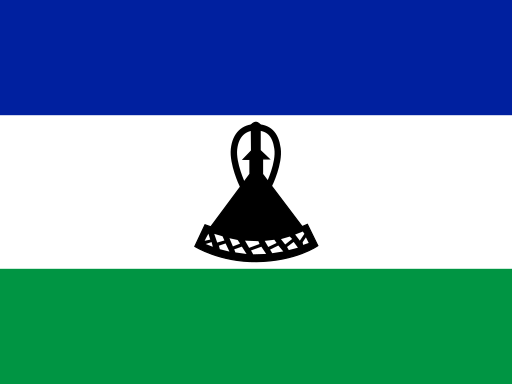
Lesotho
A high mountain kingdom entirely surrounded by South African territory.
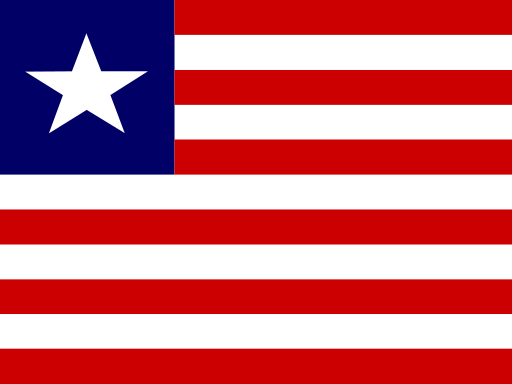
Liberia
An Atlantic West African country of coastal plains, rainforest and inland uplands.
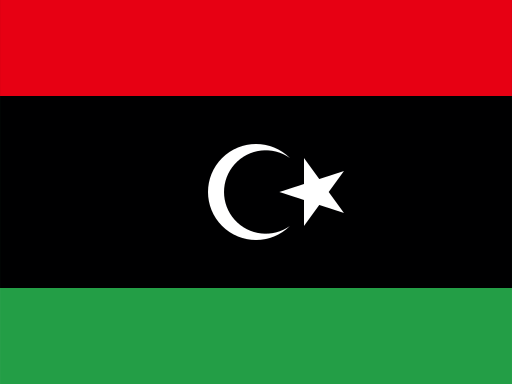
Libya
A North African country of Mediterranean coast, desert plateaus and vast Sahara.
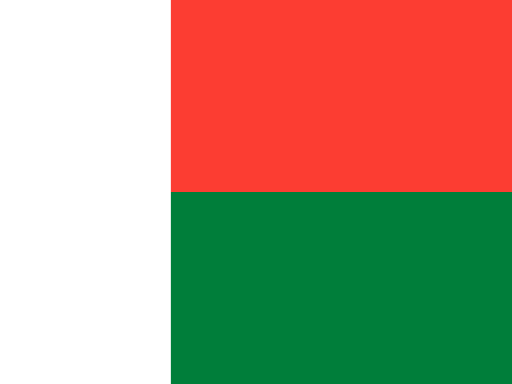
Madagascar
A large Indian Ocean island of central highlands, western plains and long coasts.
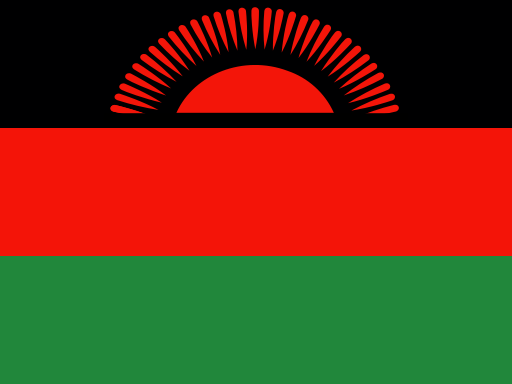
Malawi
A narrow Great Lakes country dominated by Lake Malawi and high eastern plateaus.
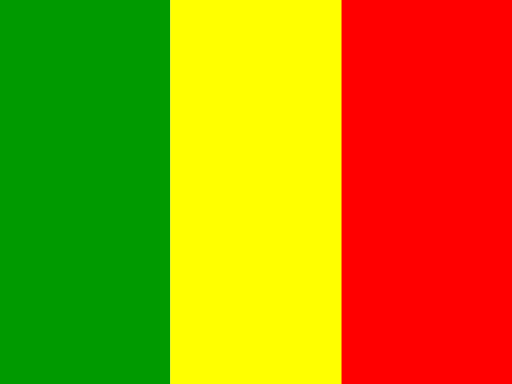
Mali
A landlocked Sahel country stretching from the Sahara to the Niger River savannas.
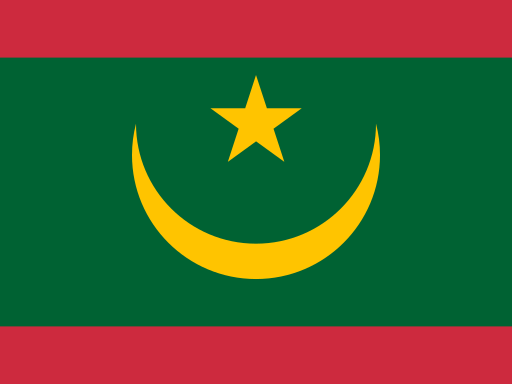
Mauritania
A Saharan Atlantic country of desert plateaus, dunes and Senegal River lowlands.
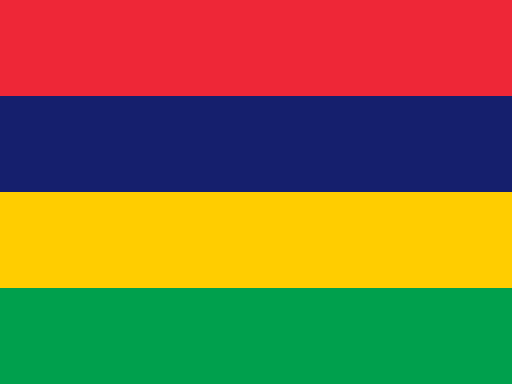
Mauritius
A volcanic Indian Ocean island state surrounded by reefs and smaller islets.
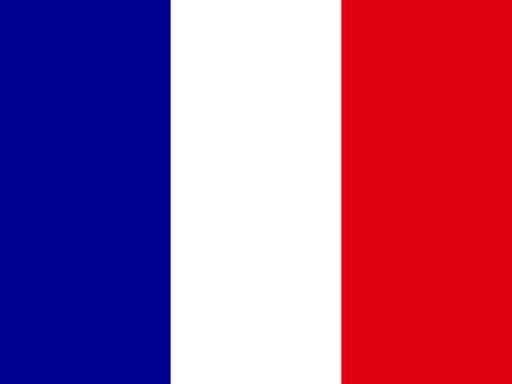
Mayotte
A volcanic island territory in the Mozambique Channel ringed by lagoons and reefs.
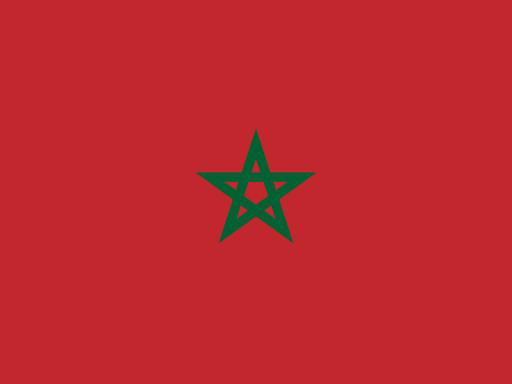
Morocco
A northwest African country of Atlantic and Mediterranean coasts, mountains and desert.
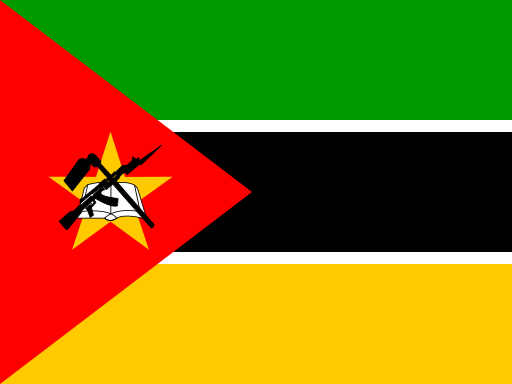
Mozambique
A southeastern African country with a long Indian Ocean coast and broad river lowlands.
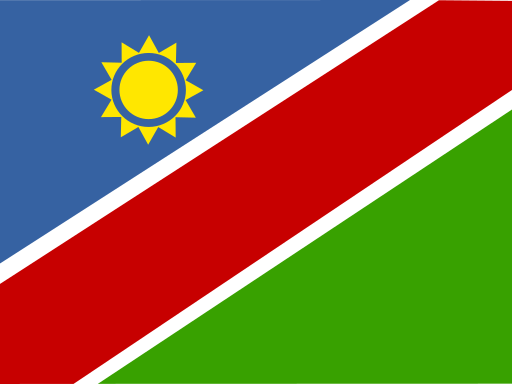
Namibia
An Atlantic southern African country of Namib dunes, central plateau and desert interior.
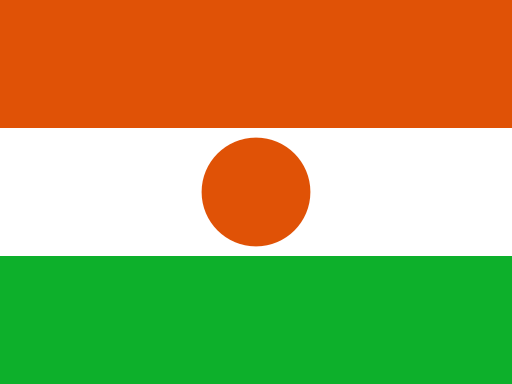
Niger
A vast Sahel country extending from the Sahara to the Niger River basin.
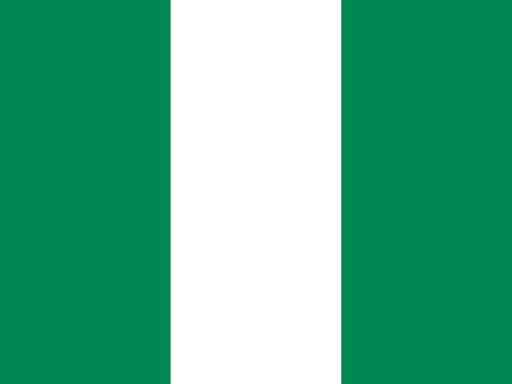
Nigeria
A populous Gulf of Guinea country spanning mangrove coast, forest and northern savanna.
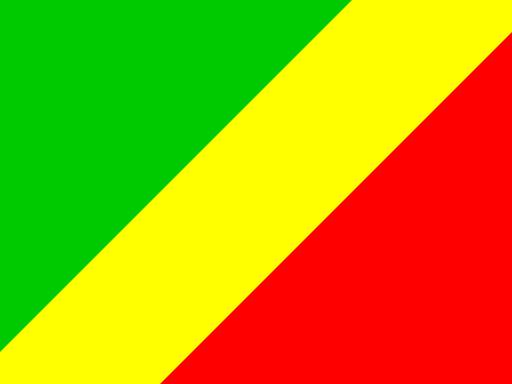
Republic of the Congo
An equatorial Central African country of Congo Basin forests and Atlantic coast.
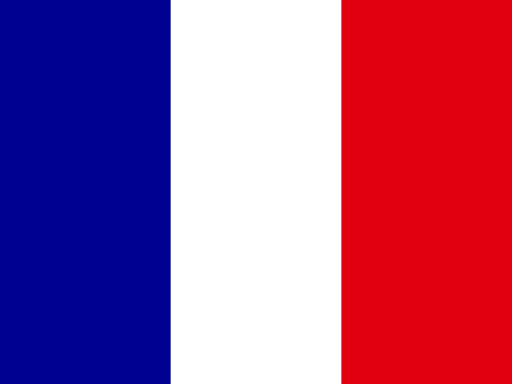
Réunion
A mountainous volcanic island territory in the southwest Indian Ocean.
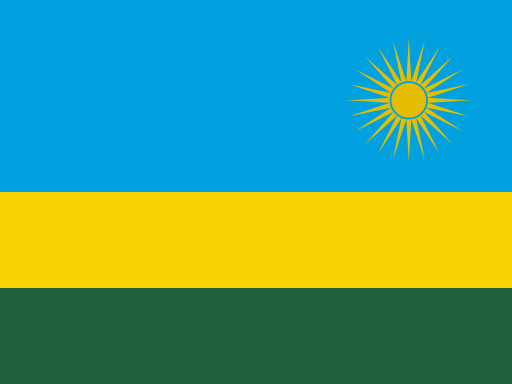
Rwanda
A densely settled Great Lakes country of high hills, ridges and volcanic northwest.
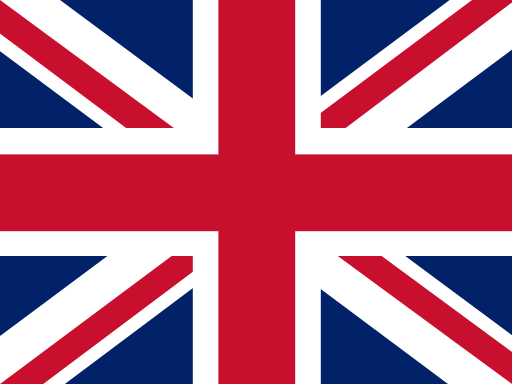
Saint Helena, Ascension and Tristan da Cunha
Three widely separated South Atlantic island groups of volcanic origin.
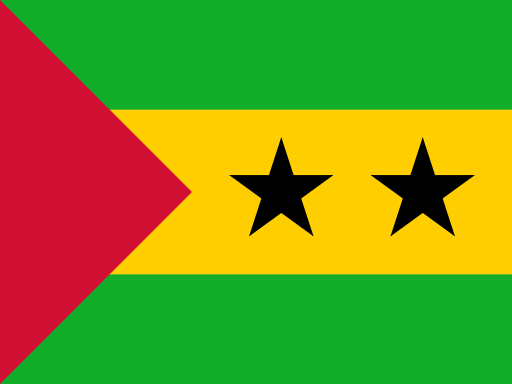
São Tomé and Príncipe
A small equatorial island state of volcanic peaks and rainforest in the Gulf of Guinea.
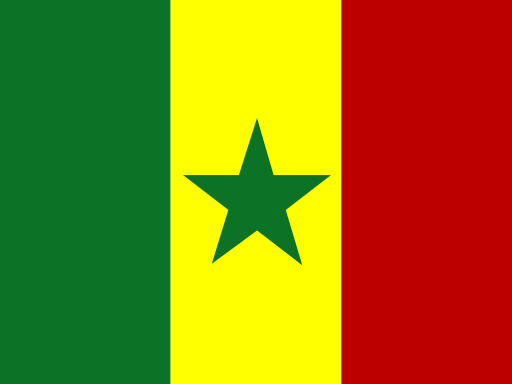
Senegal
A West African Atlantic country of coastal plains, river valleys and Sahel savannas.
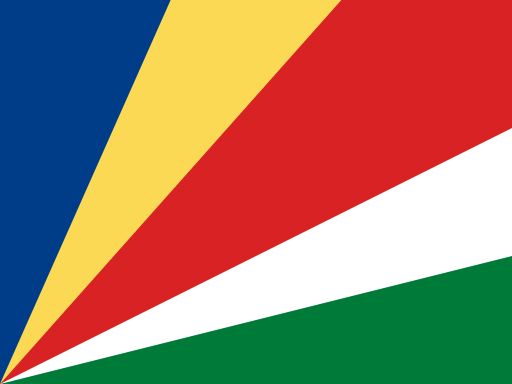
Seychelles
An Indian Ocean archipelago of granitic and coral islands spread across tropical seas.
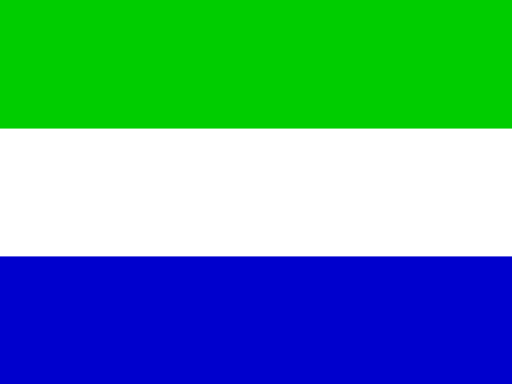
Sierra Leone
An Atlantic West African country of coastal mangroves, wooded hills and inland plateaus.
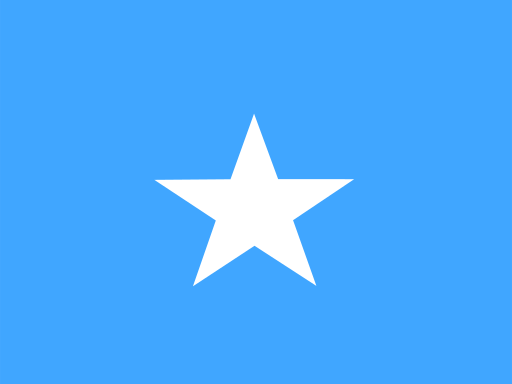
Somalia
A Horn of Africa country with a long Indian Ocean coast and arid interior plateaus.
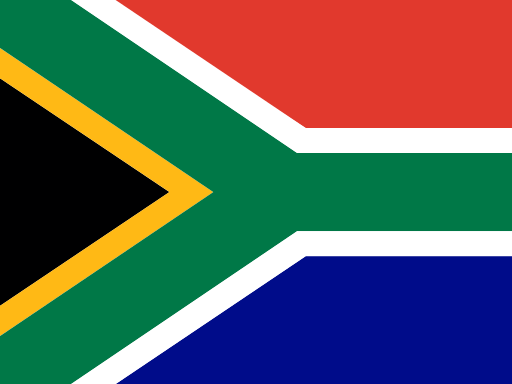
South Africa
A southern African country of plateaus, mountain belts and two-ocean coasts.
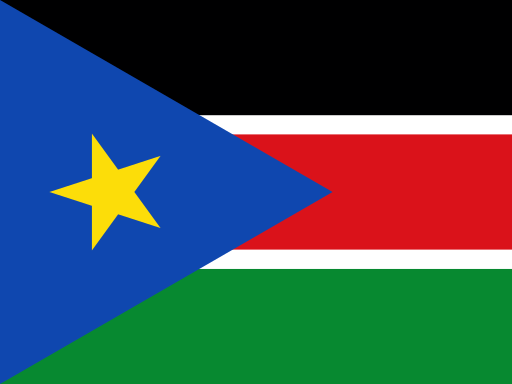
South Sudan
A landlocked Nile-basin country of broad savannas, wetlands and southern highlands.
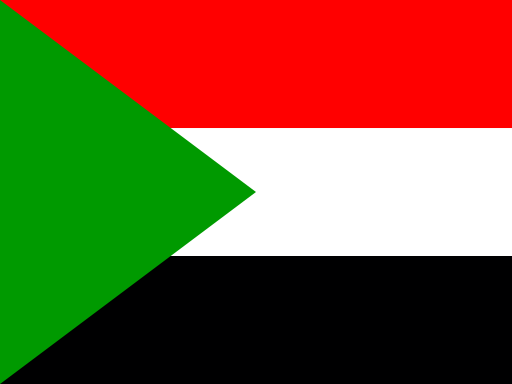
Sudan
A Nile country spanning Saharan deserts, Sahel plains and Red Sea mountains.
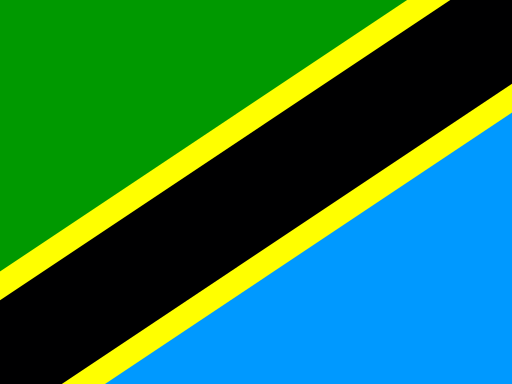
Tanzania
An East African country from Indian Ocean coast to Great Lakes and high plateaus.
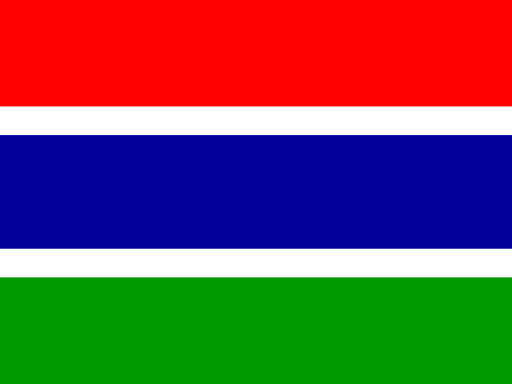
The Gambia
A narrow West African country following the lower Gambia River to the Atlantic.
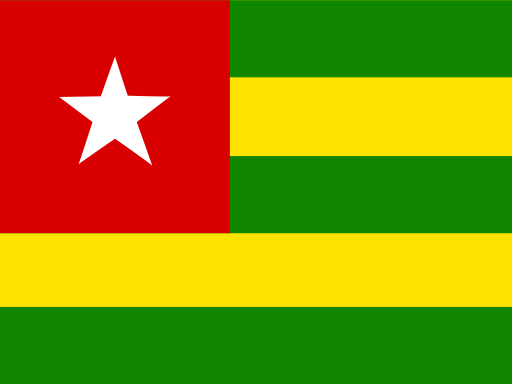
Togo
A narrow Gulf of Guinea country linking a tropical coast with inland savannas.
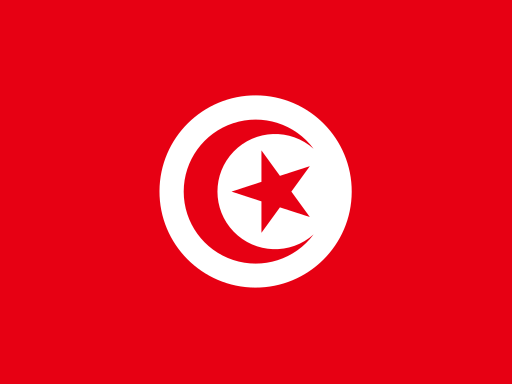
Tunisia
A Mediterranean North African country of coastal plains, Atlas hills and Saharan south.
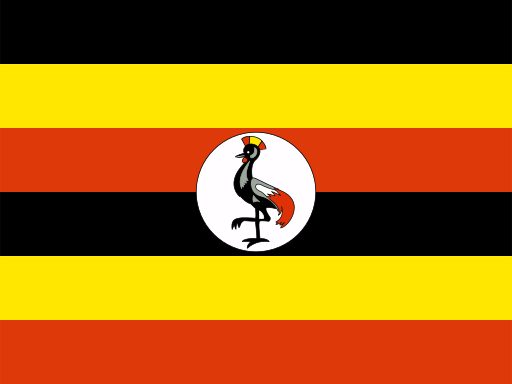
Uganda
An East African Great Lakes country of plateaus, lake shores and Nile headwaters.
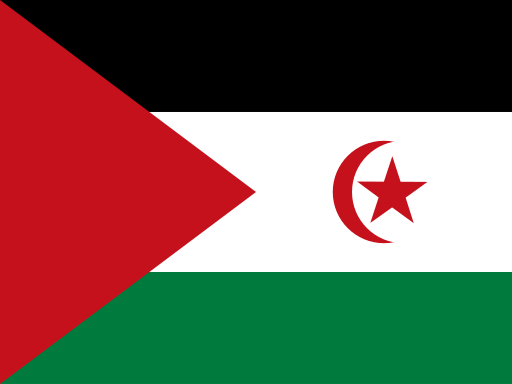
Western Sahara
A disputed Atlantic territory dominated by desert plains and Saharan plateaus.
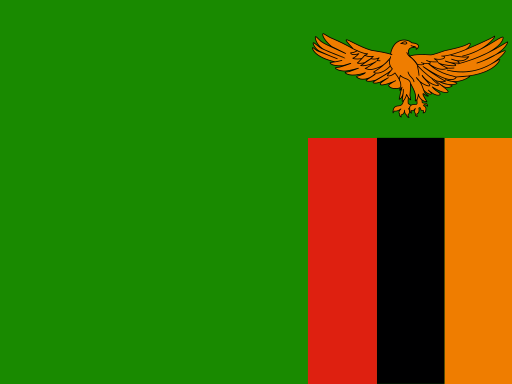
Zambia
A landlocked southern African country of high plateaus, river valleys and broad savannas.
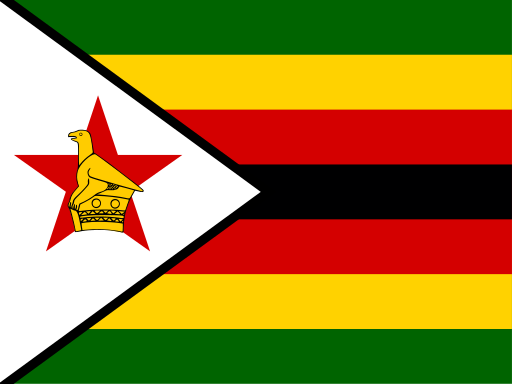
Zimbabwe
A southern African plateau country between the Zambezi and Limpopo river systems.